

How Long to Wear a Posture Corrector Safely Each Day
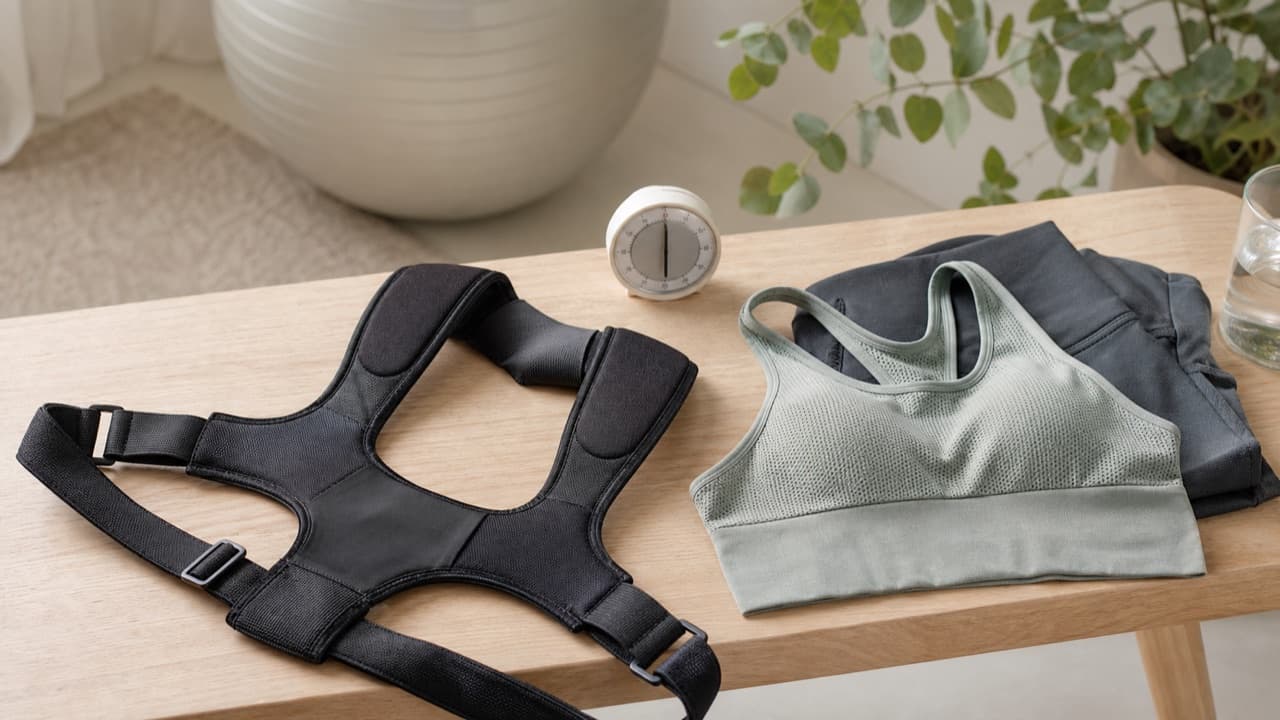
How long to wear a posture corrector depends on the product’s instructions, but most makers suggest starting with short sessions, often around 15 to 30 minutes a day, and building up gradually rather than wearing one all day from the start. A posture corrector is a reminder and a light support, not a treatment, so the safest approach is brief, comfortable wear combined with regular movement and strengthening. This guide is for desk workers, students and anyone curious about a brace or posture trainer who wants to use one without chafing, numbness or new aches.
Important: this is general information, not medical advice. If you have back or neck pain, a diagnosed spinal condition such as scoliosis, osteoporosis, a recent injury or surgery, are pregnant, or notice numbness or tingling, talk to a doctor or physical therapist before using any brace.
Key takeaways
- Begin with short sessions and increase slowly over a couple of weeks, following the maker’s guidance.
- A correct fit is snug but never pinching. Straps digging into the armpits, tingling hands or red marks that linger are signs to loosen or stop.
- Remove it for sleep, intense exercise and long drives unless a clinician has told you otherwise.
- The device prompts awareness; lasting change comes from your desk setup, breaks and strengthening.
- Measure the body part the size chart asks for (often chest or waist circumference) rather than guessing from clothing size.
Types of posture correctors and how they work
“Posture corrector” covers several designs that do quite different things. Knowing which one you have shapes how long and how tightly you wear it.
| Type | How it works | Suits | Main caution |
|---|---|---|---|
| Figure-8 or clavicle strap | Straps loop around the shoulders and cross at the upper back, drawing shoulders back | Short reminder sessions at a desk | Most likely to press into the armpits and front of the shoulders |
| Upper-back brace with stays | Shoulder straps plus a back panel, sometimes with flexible stays, and a waist belt | People who want broader, firmer feedback | Warmer and bulkier; easy to over-tighten the belt |
| Posture shirt or compression top | Elastic panels give gentle tension across the back | All-day light cueing under clothing | Feedback is subtle; sizing must be accurate |
| Wearable sensor trainer | A small device on the back or collar vibrates when you slouch | Habit building without compression | Needs charging and an app; adhesive can irritate skin |
A passive brace physically pulls the shoulders back; a sensor only reminds you to move. Many people find a reminder-style approach easier to live with because it doesn’t restrict breathing or circulation.
A sensible wear schedule
Your product’s instructions come first. If they’re vague, a cautious approach many people use is:
- First days: one or two short sessions, roughly 15 to 30 minutes, while sitting at a desk or doing light tasks.
- Next one to two weeks: add time in small steps only if there’s no soreness, skin irritation or tingling.
- After that: keep sessions to the maximum the maker suggests and build in breaks. More hours isn’t better if your muscles are just resting against the straps.
- Taper as habits improve. The aim is to need the reminder less over time, not to wear it indefinitely.
Take it off for sleep, running, lifting and other vigorous exercise, where a brace can restrict normal movement and breathing. Long car drives are another time to remove it, because you can’t easily adjust a strap that starts to pinch.
How a posture corrector should fit
Measure before you buy
Size charts usually ask for chest circumference measured around the fullest part of the chest, under the arms, or waist circumference for designs with a belt. Use a soft tape, keep it level and snug without compressing, and compare the number to the chart. If you fall between sizes, check the listing’s guidance; adjustable straps can cover a range, but a frame that’s too long or short sits in the wrong place on your back.
Fit checks once it’s on
- Shoulder straps should sit over the front of the shoulders without pressing into the armpit. You should be able to slide a finger under each strap.
- The back panel should be centered on the spine and sit around the shoulder blades, not ride up to the neck.
- Breathing should feel normal. If you can’t take a full, comfortable breath, it’s too tight.
- Arm movement should be possible: you should be able to reach a keyboard and lift a mug without strain.
- Skin should show no lasting marks. Wear it over a thin, breathable shirt to reduce chafing and sweat.
Warning signs to stop and get advice
Stop wearing the corrector and check with a clinician if you notice:
- Numbness, tingling or weakness in the arms or hands. Straps pressing into the armpit area can press on nerves and blood vessels.
- New or worsening pain in the back, neck or shoulders.
- Skin breakdown, blisters or a rash under straps or adhesive.
- Shortness of breath, dizziness or headaches while wearing it.
Discomfort that fades quickly after loosening a strap is usually a fit issue. Symptoms that persist after you’ve removed the device need professional attention.
Make the reminder count: setup, movement and strength
A brace can’t hold good posture for you all day, and the muscles that support your upper back need to work to get stronger. Pair wear time with changes that address why you slouch:
- Desk height and screen position: top of the monitor around eye level, elbows near 90 degrees, feet flat. A laptop on a desk pulls almost anyone forward.
- Movement breaks: stand, walk or stretch every 30 to 60 minutes. Varying position matters more than holding one “perfect” posture.
- Strengthening: rows, band pull-aparts and face pulls train the upper-back muscles. The resistance band progression guide shows how to build these safely at home.
- Mobility: gentle chest-opening stretches and supported backbends with props can help; see the beginner yoga props guide.
If you want guidance specific to your body, a physical therapist can assess whether a brace makes sense at all and which exercises fit you.
Care and hygiene
- Follow the label: many fabric braces are hand-wash only in cool water with mild detergent, then air-dried flat.
- Avoid the dryer and direct heat, which can weaken elastic and warp plastic stays.
- Remove any removable stays or sensors before washing.
- Replace a brace once the elastic is stretched out or the hook-and-loop closures stop holding; a loose brace encourages over-tightening other straps.
Mistakes to avoid
- Wearing it all day from day one. Sudden long wear is the quickest route to soreness, chafing and pressure on nerves.
- Cinching straps tighter for “more correction”. Tighter means more pressure, not better posture, and it can restrict breathing and circulation.
- Using it to mask pain. Persistent pain needs assessment, not a brace.
- Sleeping in it. You can’t notice and fix a pinching strap while asleep.
- Skipping the exercise side. Without strengthening and desk changes, posture usually returns to old habits once the brace comes off.
Which option fits you
- Pick a sensor trainer if you want reminders without compression, or you’ve found straps uncomfortable.
- Pick a light figure-8 strap if you want short, focused desk sessions and you’re comfortable checking fit closely.
- Pick a posture shirt if you prefer gentle cueing under clothing and accurate sizing is easy for you.
- Talk to a clinician first if you have pain, a diagnosed condition or any numbness; a brace may not be the right tool.
For more ways to stay active at home, browse fitness and sports on ADLTHUB.
Frequently asked questions
How many hours a day should I wear a posture corrector?
Follow the maker’s instructions. Many suggest starting with about 15 to 30 minutes and building up gradually, with a daily maximum stated in the manual. Short, regular sessions plus movement breaks are generally wiser than wearing it for hours.
Do posture correctors actually work?
They can act as a reminder to change position, which some people find helpful. They don’t strengthen muscles by themselves, so results depend on pairing them with exercise, breaks and a better workstation.
Can a posture corrector cause problems?
A poorly fitted or overtightened brace can cause chafing, soreness and pressure in the armpits that leads to tingling or numbness. Stop using it and seek advice if those symptoms appear.
Should I sleep in a posture corrector?
Generally no, unless a clinician has specifically told you to. You can’t adjust it if it starts to pinch, and it may restrict normal movement and breathing during sleep.
Can I wear a posture corrector while working out?
Most makers advise removing it for vigorous exercise. Braces can restrict movement and breathing during exercise, and training the back muscles directly is the more useful part of a routine.
Shop Fitness & Active Life
View all →
Continue reading
 Beauty & Personal Care
Water Flosser Benefits and How to Use One Safely
Water flosser benefits explained honestly: who gains most, how to use one without hurting your gums, pressure settings, cleaning, and when to ask a dentist.
 Fitness & Active Life
Smart Jump Rope Training: Sizing, Counts and a 6-Week Plan
A smart jump rope training guide: size the rope, understand how jump counts and calories are estimated, and follow a safe 6-week plan from short intervals up.
 Fitness & Active Life
Resistance Band Progression: When to Move Up a Band
Resistance band progression explained: when to move up a band, six ways to add challenge before switching, how band tension works, and how to train safely.