

Online Return Policy Checklist: 12 Things to Check

Use this online return policy checklist before you click buy, not after the box arrives: in the US there is no general law that gives you a right to return something just because you changed your mind, so the store’s own policy is what decides whether you get your money back. The twelve checks below take about two minutes to read through and catch the issues that most often turn a simple return into a loss: short windows, restocking fees, paid return shipping, store-credit-only refunds and items quietly marked final sale. This guide is for anyone buying clothing, electronics, furniture or gifts online, especially from a store they have not used before.
Key takeaways
- Find out whether the return window starts on the order date or the delivery date; a 14-day window from order can be nearly over by the time slow shipping arrives.
- Check for restocking fees and who pays return shipping; together they can wipe out a discount.
- Confirm the refund method: original payment, store credit or exchange only.
- Look for final-sale, hygiene and opened-item exclusions on the product page itself, not just the general policy.
- Save a copy of the policy and your order confirmation; policies change, and the terms at purchase are your evidence.
- Know your fallback: card billing disputes and the FTC shipping rule protect you in specific situations, not for every change of mind.
The 12-point online return policy checklist
Work through these in order. If you cannot find an answer to any of the first six on the store’s website, treat that as a warning sign in itself.
- Return window length. Typical windows range from about 14 to 30 days, with some stores offering 60 to 90 days and some electronics or large items offering less. Know the exact number.
- When the clock starts. From order date, ship date or delivery date. Delivery date is the most shopper-friendly; order date can cost you a week or more with international shipping.
- Condition requirements. Unused, unwashed, tags attached, original packaging, all accessories included. Electronics often must include every cable, manual and protective film.
- Exclusions and final sale. Clearance, personalized, hygiene-sensitive items (earbuds, grooming tools, swimwear, cosmetics), mattresses, software and gift cards are common exclusions. Check the product page badge as well as the general policy.
- Restocking fees. Usually a percentage of the price, more common on opened electronics, large appliances and furniture. Find out whether it applies to unopened items too.
- Return shipping cost. Free prepaid label, flat fee deducted from the refund, or you pay and arrange it yourself. For heavy or bulky items, return freight can cost a large share of the item’s price.
- Refund method. Original payment method, store credit, or exchange only. Store credit is only worth full value if you will definitely buy from that store again.
- Refund timing. When the refund is issued (on drop-off, on receipt, after inspection) and how long it takes your bank to post it. Several business days after inspection is common.
- Who the seller is. On marketplaces, the third-party seller’s policy may apply instead of the marketplace’s. Check the “sold by” line.
- Damaged, defective or wrong items. These should be handled separately from change-of-mind returns, usually with free return shipping and no restocking fee. Check how quickly you must report damage, sometimes within 48 hours of delivery.
- Exchanges and size swaps. Whether you can exchange directly for another size or color, or must return and reorder (and risk the price changing).
- Holiday and gift rules. Many stores extend windows for purchases made in November and December. Gift receipts often refund to store credit at the current price, not what was paid.
What return policy terms really cost: a worked comparison
A lower price with a strict return policy can cost more than a higher price with a generous one, but only if there is a real chance you will send the item back. Here is how the same item can compare across three stores.
| Policy element | Store A | Store B | Store C |
|---|---|---|---|
| Item price | Lowest | Middle | Highest |
| Return window | 14 days from order | 30 days from delivery | 60 days from delivery |
| Return shipping | Customer pays | Flat fee deducted | Free prepaid label |
| Restocking fee | Charged on opened items | None | None |
| Refund method | Store credit | Original payment | Original payment |
| Best for | Items you are certain about | Most purchases | Clothing sizes, shoes and gifts with a high return risk |
If you are confident about fit and function, Store A’s price may win. If you are buying a suit, shoes or anything you have never seen in person, the extra cost at Store C is effectively insurance. Our guide to comparing online prices shows how to fold return costs into a total-cost comparison.
Category-specific return traps
Clothing, suits and shoes
Fit is the main risk. Check whether tried-on items are returnable, whether altered garments are excluded (they almost always are), and whether shoes must be unworn outdoors. Try shoes on carpet and keep the box intact. Have a suit hemmed only after you are sure you are keeping it. Our guide on measuring for a suit at home lowers the chance you need to return at all.
Electronics
Opened electronics often attract restocking fees or shorter windows. Keep every accessory, the box and inner packaging, and sign out of any accounts before returning a phone, watch or smart device. If you might return it, test it fully within the first few days.
Furniture and large items
Return freight, disassembly requirements and pickup fees can make large returns expensive. Measure doorways and stairwells before ordering, and check whether assembled furniture can be returned.
Personal care and grooming
Trimmers, shavers, earbuds and cosmetics are frequently non-returnable once opened for hygiene reasons, though defective items should still be covered. Read the product page before buying.
Your rights beyond the store’s policy
A store’s return policy is a promise it makes voluntarily, but a few legal protections exist alongside it in the US:
- Shipping delays. The FTC’s mail, internet and telephone order rule requires sellers to ship within the time they state, or within 30 days if they state no time. If they cannot, they must tell you and give you the option to cancel for a prompt refund.
- Card billing disputes. Under the Fair Credit Billing Act, you can dispute credit card charges for goods that were not delivered as agreed, generally by writing to the card issuer within 60 days after the statement showing the charge. Debit card and buy-now-pay-later protections are different, so check your provider’s terms.
- Defective products. Manufacturer warranties and implied warranties may cover faults that appear after the return window. Our product warranty registration guide explains how to keep that route open.
- State laws. Some states require stores to post their return policy clearly, and if they do not, a default refund right may apply. Rules vary, so check your state attorney general’s consumer page if a dispute arises.
None of these gives you an automatic right to return an item you simply do not like, which is why reading the store’s policy first matters.
How to document a purchase so returns go smoothly
- Save or screenshot the return policy page and the product page on the day you order.
- Keep the order confirmation email and note the delivery date.
- Photograph the package on arrival, especially if it looks damaged, before opening.
- Keep all packaging and accessories until the return window closes.
- When you return something, keep the tracking number and drop-off receipt until the refund posts.
Mistakes to avoid
- Assuming free returns. Many stores offer free shipping one way only. Read the return section, not the shipping banner.
- Missing a final-sale badge. Discounted items are the most likely to be non-returnable, and the label is often on the product page, not in the policy.
- Throwing away the box. Many electronics and appliance returns require original packaging.
- Altering or washing before deciding. Hemmed trousers and washed clothing are almost never returnable.
- Waiting until the last day. Carrier drop-off scans, holidays and inspection delays can push you past the window.
- Not checking the marketplace seller. A familiar website can host sellers with very different terms.
How to decide whether a return policy is good enough
- Buy from the cheapest seller if you know the exact product, the fit is not in question, and the policy at least covers defects.
- Pay more for a longer window and free returns if you are buying clothing, shoes, suits or a gift.
- Avoid store-credit-only refunds if you rarely shop at that store.
- Prefer sellers with clear defect handling if you are buying electronics, where faults are the main risk.
When you shop at ADLTHUB, each product page lists delivery and return terms; browse the shop or start with fashion and apparel, where return policies matter most.
Frequently asked questions
Do online stores have to accept returns?
In the US, generally no. There is no federal law that gives a right to return a non-defective item purchased online, so the store’s posted policy decides. Defective items, items not as described and items never delivered are handled through warranties, consumer protection laws and card disputes.
What is a restocking fee?
A restocking fee is a charge deducted from your refund when you return an item, often an opened electronic or large item. It is usually a percentage of the price. Check the policy before buying, because it can make returning a product expensive.
Can I return a final-sale item if it is defective?
Final-sale usually means no change-of-mind returns, but a defective item may still be covered by the manufacturer’s warranty or the store’s defect policy. Contact the seller with photos and your order number, and check the warranty terms.
How long do online refunds take?
Once the store processes your return, refunds commonly take a few business days to a couple of weeks to appear, depending on the store’s inspection time and your bank. Keep tracking information until the refund posts.
Can I dispute a charge if the store refuses a return?
A credit card dispute is meant for billing errors, such as goods not delivered or not as described, not for change-of-mind returns the policy does not allow. If the item was faulty or not what was advertised, contact the seller first, then your card issuer within the dispute window.
Top-rated products to explore
View all →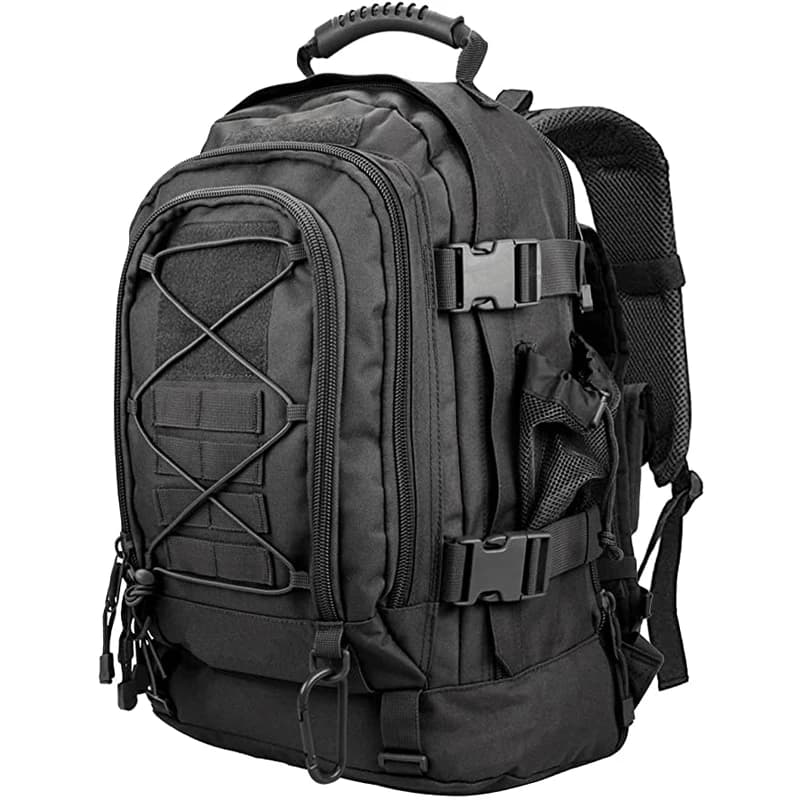
LQArmy 60L Tactical Backpack with Molle Webbing
In stock · Options available · Ships in 7–21 business days
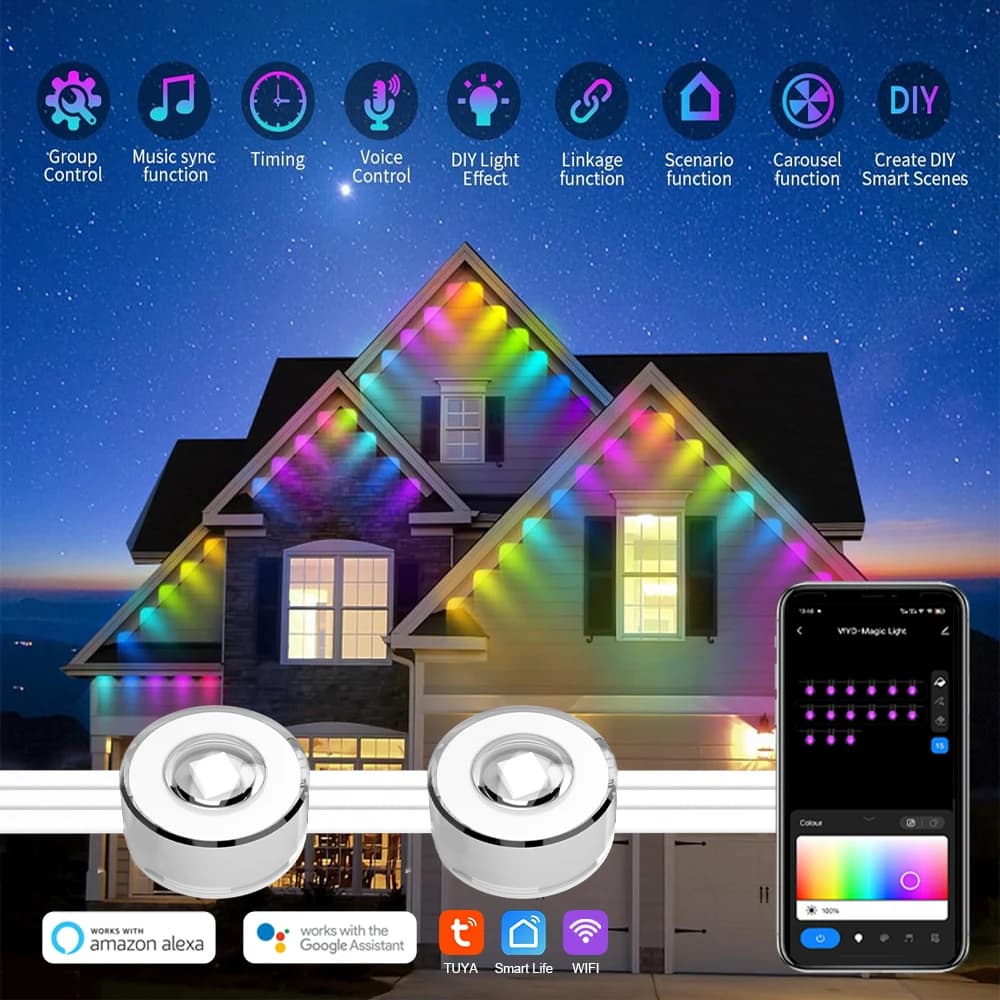
Smart RGBIC Permanent Eaves Lights with WiFi and App Control
In stock · Options available · Ships in 7–21 business days
 Sale
Cordless Sideburn and Neckline Trimmer with Guide Combs
In stock · Ships in 7–21 business days

Structured Notch Lapel Business Suit, Three-Piece Set
In stock · Options available · Ships in 7–21 business days
Continue reading
 Deals & Smart Shopping
Online Price Tracking: How to Set Alerts and Read History
Online price tracking explained: how price alerts and history charts work, how to set a target price, claim price adjustments and avoid trackers that oversell.
 Buying Guides
Do You Need to Register a Product Warranty? US Guide
Do you need to register a product warranty? Learn what US law says, what registration really gets you, what records to keep, and how to file a claim that works.
 Buying Guides
Open-Box vs New Electronics: When the Discount Is Worth It
Open-box vs new electronics: what open-box really means, how it differs from refurbished, warranty and return checks, and which devices to buy open-box.