

Do You Need to Register a Product Warranty? US Guide
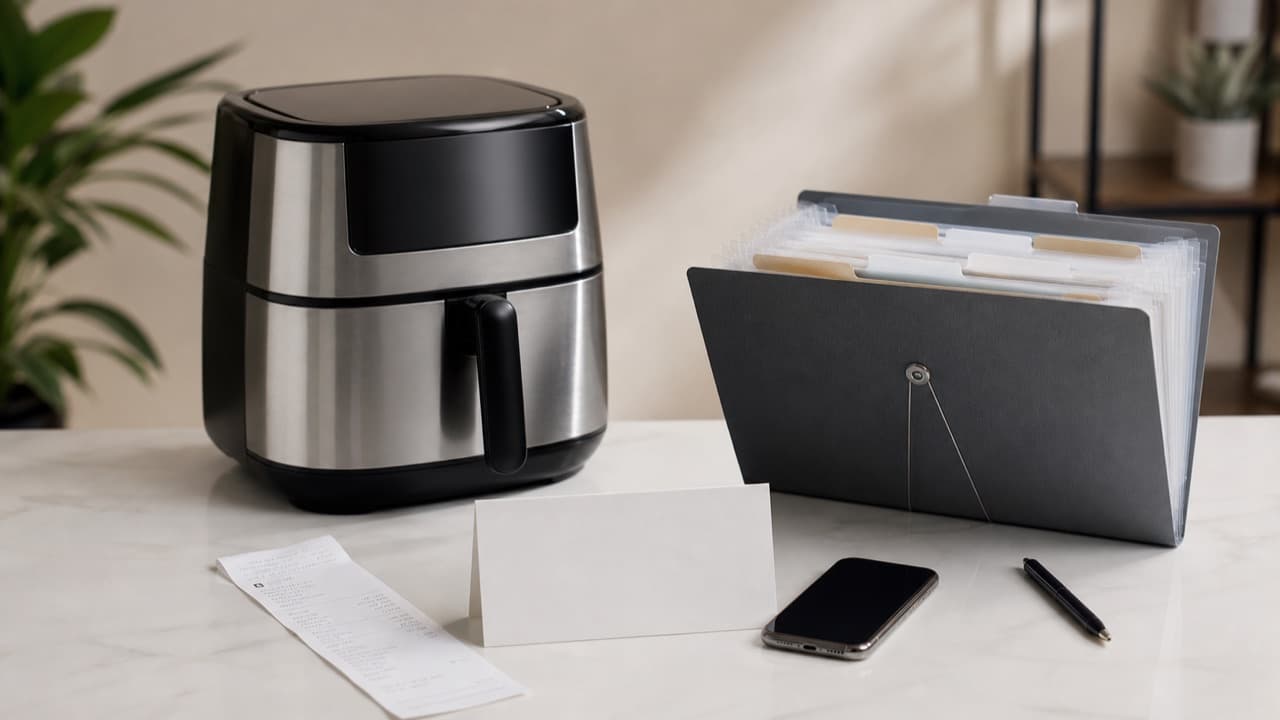
In most cases you don’t need to register a product warranty for it to be valid; your proof of purchase is what matters. Under the US Magnuson-Moss Warranty Act, a “full” warranty can’t require you to return a registration card to get coverage, while a “limited” warranty may impose conditions only if it clearly states them. Registration can still be worth doing for recall notices and faster service. This guide is for shoppers who want to protect a purchase, from headphones to a recliner, without handing over more personal data than necessary.
Key takeaways
- Keep the dated receipt or order confirmation and the exact model number. Those, not a registration card, are what most warranty claims rely on.
- Read the warranty document itself: it should be labeled “full” or “limited” and spell out any registration requirement.
- Registering is most valuable for products with safety-recall risk, such as appliances, chargers and baby gear.
- Register only through the manufacturer’s own website, app or included card, and skip optional marketing questions.
- Extended warranties sold separately are service contracts with their own terms, separate from the manufacturer’s warranty.
Is warranty registration required?
The Magnuson-Moss Warranty Act governs written warranties on consumer products in the US. The Federal Trade Commission, which enforces it, explains the key points:
- Full warranty: the warrantor can’t make coverage conditional on returning a registration card. You only need to show you’re within the warranty period, typically with a receipt.
- Limited warranty: the warrantor may require registration, but the condition must be stated clearly in the written warranty. Most consumer electronics warranties are limited.
- Implied warranties: state law generally gives you an implied warranty that a product is fit for its ordinary purpose. A company that offers a written warranty can’t disclaim implied warranties altogether, though it may limit their duration to that of the written warranty.
So the honest answer is: check the warranty text. If it doesn’t say registration is a condition of coverage, a missing registration shouldn’t void your warranty. If you’re unsure, registering costs a few minutes and removes the doubt.
What registration actually gets you
| Benefit | How much it matters | Alternative if you skip registering |
|---|---|---|
| Safety recall notices | High for appliances, batteries, heaters, chargers and children’s products | Check recalls periodically on the CPSC website and the maker’s support page |
| Faster claims | Moderate; support may already have your serial number and purchase date | Keep a digital folder with the receipt and serial photo |
| Proof of ownership | Useful for theft or insurance claims on higher-value items | Serial photos and receipts serve the same purpose |
| Firmware or app access | Some devices need an account to update or unlock features | None; the account is part of using the product |
| Bonus warranty or perks | Occasionally offered as an incentive for registering | Read the terms; the extra coverage may be optional |
For certain durable infant and toddler products, US rules require makers to include a registration card specifically so they can contact owners about recalls. That card is about safety, not marketing, and is worth returning.
How to register safely and what to share
- Use official channels only. Type the maker’s website address yourself or use the card in the box. Don’t follow registration links in unsolicited emails or texts; fake “warranty” messages are a common phishing lure.
- Provide only required fields. Name, contact, model, serial number and purchase date are normal. Household income, hobbies and survey questions are usually optional marketing data.
- Uncheck marketing opt-ins unless you want promotional email.
- Save the confirmation page or email in the same folder as your receipt.
Records to keep for every purchase
Good records decide most warranty disputes. Set up one digital folder or note per product with:
- Proof of purchase: the itemized receipt or order confirmation showing the date, seller and price. Paper receipts fade, so photograph or scan them.
- Model and serial number: photograph the label before the product is installed, mounted or tucked behind furniture.
- The warranty document: a photo or PDF of the terms as they were when you bought, including the length and what’s excluded.
- Seller and return details: the return window is separate from the warranty and usually much shorter. Our online shopping return policy checklist covers what to check.
- Maintenance notes: some warranties require routine care, such as descaling or filter changes. Note dates if the terms mention it.
Mark the warranty end date in your calendar a month early, so any developing fault gets reported while you’re still covered.
How to make a warranty claim that works
- Check whether it’s a return or a warranty issue. A fault within the seller’s return window may be quicker to resolve as a return.
- Troubleshoot using the manual, and note what you tried. Support will usually ask.
- Document the fault: photos, a short video of the problem, and the date it started.
- Don’t open sealed housings or attempt repairs the manual doesn’t permit. Physical damage caused during a DIY repair is a common exclusion. Under Magnuson-Moss, however, a warrantor generally can’t void coverage just because you used third-party parts or service, unless it provides those parts or service free or has an FTC waiver; it can still deny a claim if that part or service caused the damage.
- Contact the warrantor in writing through its support portal or email, with model, serial, purchase proof and the fault description. Keep every case number.
- Ask who pays shipping and whether you’ll get a repair, a replacement or a refund. Terms vary.
- Escalate calmly if needed. If a valid claim stalls, your state attorney general’s consumer protection office or the FTC’s reporting site are the usual next steps.
Extended warranties and other coverage
Extended warranties sold at checkout are service contracts, often run by a third party. Before buying one, compare its length with the manufacturer’s warranty, since the two can overlap for the first year or more, and check deductibles, claim methods and exclusions. Some credit cards add extended-warranty benefits to eligible purchases; check your card’s current benefit terms, which change over time. For products where the warranty is part of a wider buy-or-wait decision, such as open-box electronics, see open-box vs new electronics.
Mistakes to avoid
- Losing the receipt. Without dated proof of purchase, the warrantor may use the manufacture date instead, which can shorten your coverage.
- Registering through a link in a random email. Phishing messages imitate brands to collect personal or payment details.
- Waiting until the last week. Faults that started earlier are harder to argue once coverage has expired.
- Peeling off “warranty void” stickers or opening the housing. Even where such stickers may not be enforceable, physical damage you cause can be excluded.
- Paying for an extended plan that duplicates the free warranty. Check the overlap before you buy.
Should you register? A quick decision
- Register if the product has recall potential (appliances, heaters, chargers, power banks, children’s products), the warranty states registration is required, or the device needs an account to update.
- Keep records but skip registration if it’s a low-risk item, the warranty is full or doesn’t mention registration, and you’d rather not share data.
- Either way, always save the receipt, model and serial number in one place.
When you shop on ADLTHUB, each product page lists its delivery and return information; save your order confirmation as your proof of purchase. You can start browsing at the ADLTHUB shop or in electronics and accessories.
Frequently asked questions
Does not registering a product void the warranty?
Not under a full warranty, which can’t require a registration card. A limited warranty can require registration only if it clearly says so, so read the warranty text to be sure. In practice, proof of purchase is what most claims depend on.
What is proof of purchase for a warranty?
Usually a dated receipt, invoice or order confirmation that shows the seller, product and price. Keep a digital copy, since thermal paper receipts can fade.
Is it safe to register a product online?
Yes, when you use the manufacturer’s official website or app and share only the required details. Avoid links in unexpected emails or texts and skip optional marketing questions.
Can a company void my warranty for using third-party parts?
Generally not just for that. Magnuson-Moss bars most warrantors from conditioning coverage on using their own brand of parts or service unless they provide them free, though they can deny a claim if the third-party part caused the damage.
How long do I have to keep a receipt for warranty?
At least until the warranty and any extended plan have ended. For higher-value items, keeping it for as long as you own the product helps with resale, insurance and recall claims.
Top-rated products to explore
View all →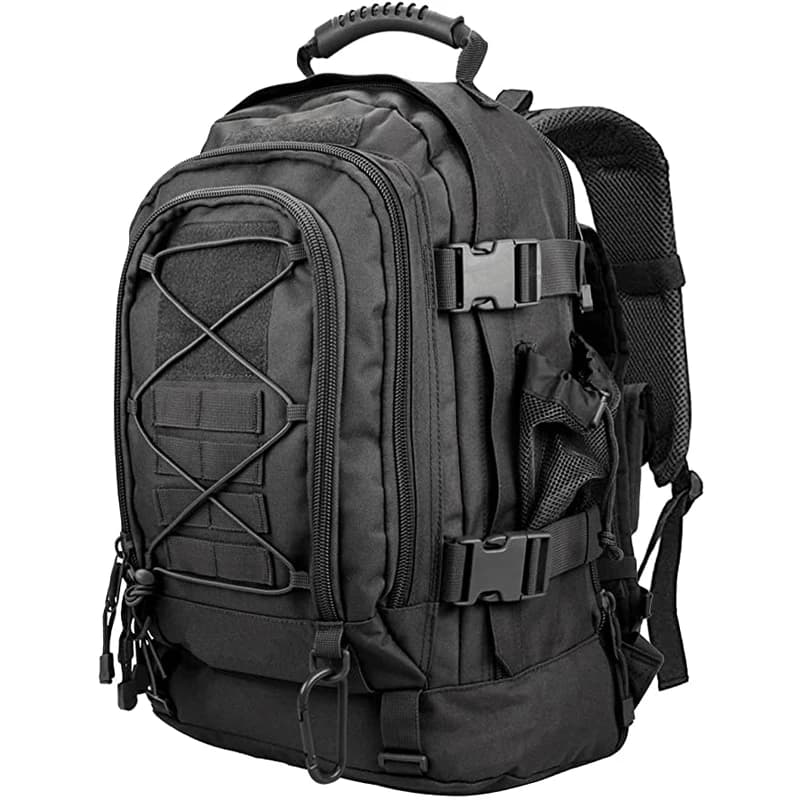
LQArmy 60L Tactical Backpack with Molle Webbing
In stock · Options available · Ships in 7–21 business days
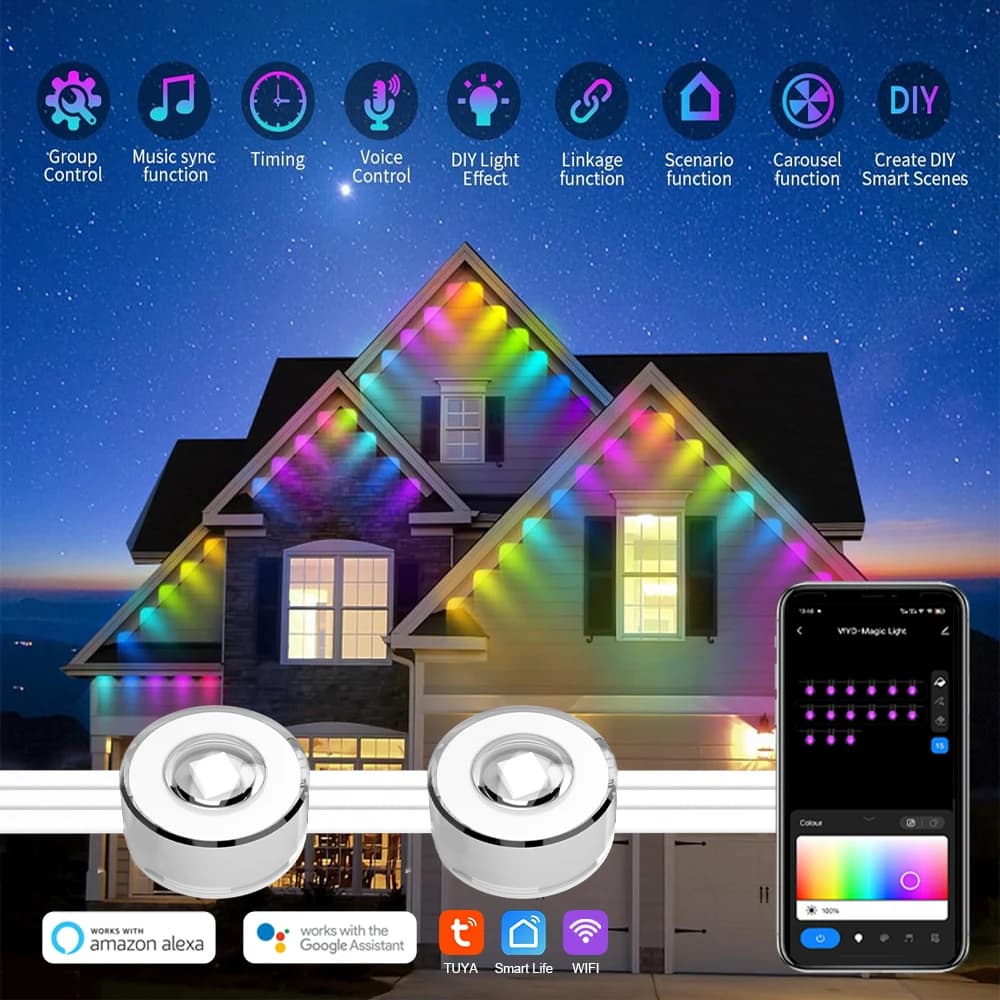
Smart RGBIC Permanent Eaves Lights with WiFi and App Control
In stock · Options available · Ships in 7–21 business days
 Sale
Cordless Sideburn and Neckline Trimmer with Guide Combs
In stock · Ships in 7–21 business days

Structured Notch Lapel Business Suit, Three-Piece Set
In stock · Options available · Ships in 7–21 business days
Continue reading
 Buying Guides
Open-Box vs New Electronics: When the Discount Is Worth It
Open-box vs new electronics: what open-box really means, how it differs from refurbished, warranty and return checks, and which devices to buy open-box.
 Buying Guides
Online Return Policy Checklist: 12 Things to Check
Online return policy checklist: return windows, restocking fees, return shipping, refund method, final-sale traps and card dispute rights to check first.
 Fashion & Style
Watch Band Material Guide: Silicone, Leather, Metal, Nylon
Watch band material guide comparing silicone, FKM, leather, steel, titanium and nylon for sweat, skin sensitivity and style, plus how to get lug width right.