

How to Compare Online Prices and Spot Fake Discounts

To compare online prices honestly, compare the total cost of the exact same item from the seller who will actually ship it, then ignore the struck-through was price until you have checked it. Most bad deals do not come from a high price; they come from comparing a slightly different model, forgetting shipping and return costs, or trusting a reference price that the item never really sold at. This guide is for shoppers who want a repeatable way to compare online prices across stores in a few minutes, whether you are buying a speaker, a kitchen appliance or a suit.
Key takeaways
- Match the exact model number, size, color, capacity and bundle before comparing any price.
- Compare landed cost: item price plus shipping, sales tax, any fees, and what a return would cost you.
- Check who the seller is; marketplace listings for the same product can come from very different sellers with different warranties and return terms.
- Treat was, list and compare-at prices as claims to verify, not as proof of savings.
- Use unit prices for consumables and multipacks, where package sizes hide the real cost.
Step one: make sure you are comparing the same product
Two listings with the same photo and similar names are often not the same item. Before comparing prices, confirm:
- Model number and version. Electronics often have regional versions, generations or suffixes (for example a second-generation model or a variant with different storage). Some brands make retailer-specific model numbers, which look nearly identical but can differ in accessories or materials.
- Capacity, size and power. A 40W speaker and a 25W speaker from the same brand, or a 2 kg and 3 kg scale, can share a listing photo.
- Condition. New, open-box, renewed and refurbished are different products for pricing purposes. Our open-box vs new electronics guide explains when the discount is worth the trade-offs.
- What is in the box. A lower price may omit a charger, cable, case, filter or replacement head that the other listing includes.
- Plug and voltage. For appliances, make sure the listing is for a US plug and 120V use unless you know you need something else.
If a listing does not show a model number at all, use the specifications table, dimensions and weight to match it; if those are missing too, treat any price comparison as unreliable.
Step two: calculate the real total cost
The price on the product page is only the starting number. Build the landed cost for each option:
| Cost element | Where to find it | Why it changes the comparison |
|---|---|---|
| Item price | Product page, after selecting exact variant | Variant choice can change price without changing the photo |
| Shipping | Cart or checkout, before payment | Free-shipping thresholds can make a cheaper item cost more |
| Sales tax | Checkout, based on your address | Most US retailers collect it, so it rarely explains price gaps but it does change totals |
| Fees | Checkout summary | Handling, service or installation fees may appear late |
| Return cost | Return policy page | Return shipping or restocking fees matter most for fit-sensitive items |
| Ongoing costs | Product page and manual | Filters, pods, replacement heads and subscriptions add up |
For clothing, shoes and anything fit-sensitive, a cheaper price with paid returns can easily cost more than a slightly higher price with free returns. The online shopping return policy checklist walks through what to look for before you pay.
Step three: check the seller, not just the store
Large marketplaces host many third-party sellers under one storefront. The same product can be sold by the brand, by an authorized reseller, or by an unrelated seller. That affects:
- Warranty. Some manufacturers limit warranty service to purchases from authorized sellers. Check the brand’s warranty terms before assuming coverage.
- Returns. Third-party sellers may set their own return windows and conditions.
- Authenticity. Prices far below every other seller can signal counterfeit or gray-market stock, especially for chargers, batteries and cosmetics.
- Shipping origin. Items shipping from overseas can take longer and make returns harder.
Look for the seller name near the buy button, read recent seller feedback, and compare the seller’s return terms with the retailer’s general policy. Registering the product afterward makes later claims easier; see our product warranty registration guide.
How to spot fake discounts
A discount is only real if the reference price was real. In the US, the FTC’s Guides Against Deceptive Pricing say a former-price comparison should be based on a price at which the item was actually offered openly, in good faith, for a reasonably substantial period. In practice, shoppers still see reference prices that are hard to justify. Watch for these patterns:
Reference price labels that mean different things
- Was or regular price: implies the seller recently sold it at that price. You can check this with price history.
- List price or MSRP: the manufacturer’s suggested price, which many items rarely sell at.
- Compare-at or value: often refers to a different store or a similar product, and is the weakest kind of reference.
Warning signs
- A discount that never ends, or that resets after a countdown timer expires.
- Very round, very large discounts on products with no other sellers to compare against.
- A price that rose shortly before a sale, visible in a price-history chart.
- Bundles priced against the sum of list prices nobody pays separately.
Price-history tools and watch lists are the fastest way to check a was price; our online price tracking guide covers how to set those up. Timing matters too: the Black Friday vs seasonal sales guide explains which categories tend to drop when.
Unit prices, multipacks and subscriptions
For consumables such as coffee beans, filters, razor cartridges and cleaning supplies, compare the price per unit: per ounce, per count or per filter. Pack sizes are often chosen so that the total price looks lower while the unit price is higher. Subscribe-and-save discounts can be genuine, but check whether the discount applies only to the first order, whether the price can change between shipments, and how easy it is to cancel.
Mistakes to avoid
- Comparing look-alike models. A cheaper price for an older generation or different capacity is not a cheaper price for the item you wanted.
- Stopping at the product page. Shipping and fees often appear only in the cart, so go as far as the final review screen before comparing.
- Ignoring return costs on fit-sensitive items. A paid return can erase a small saving on shoes or suits.
- Trusting a countdown timer. Urgency is a sales tactic; a real low price usually shows up in price history.
- Chasing the lowest unknown seller. Saving a few dollars on a battery or charger is a poor trade if authenticity or warranty is uncertain.
- Forgetting payment protections. Paying with a credit card generally gives you stronger dispute rights than debit or bank transfer if an order goes wrong.
Which price should you choose?
- Choose the lowest landed cost if the model, seller type, warranty and return terms are all equivalent.
- Pay a little more if the higher-priced seller offers free returns on a fit-sensitive item, faster delivery you actually need, or clear authorized-seller warranty coverage.
- Wait if price history shows the current sale price is normal and a seasonal low is close.
- Walk away if you cannot identify the model number, the seller, or the return terms.
When you browse ADLTHUB’s electronics and accessories category or the wider shop, use the same method: confirm the exact variant, then check the product page for current price, delivery estimate and return terms before ordering.
Frequently asked questions
How can I tell if an online discount is real?
Check the item’s price history with a price tracker and see whether it actually sold at the was price for a meaningful period. Also compare the same model at other retailers. If the sale price matches its usual price elsewhere, the discount is mostly marketing.
Is the list price the same as the regular price?
No. List price or MSRP is the manufacturer’s suggested price, while regular or was price implies the seller recently charged that amount. Many products routinely sell below list price.
Why is the same product cheaper on one site?
Common reasons are a different seller, an older or regional version, a missing accessory, an open-box or refurbished unit, or higher shipping added at checkout. Occasionally it is simply a genuine sale.
Should I include shipping and returns when comparing prices?
Yes. Compare the full checkout total, and for items you might return, add the return shipping or restocking fee you would pay. That is the only fair way to compare stores.
Are price-match promises worth relying on?
They can help, but policies often exclude marketplace sellers, limited-time deals and different model numbers. Read the conditions before buying on the expectation of a match.
Deals mentioned in our guides
View all →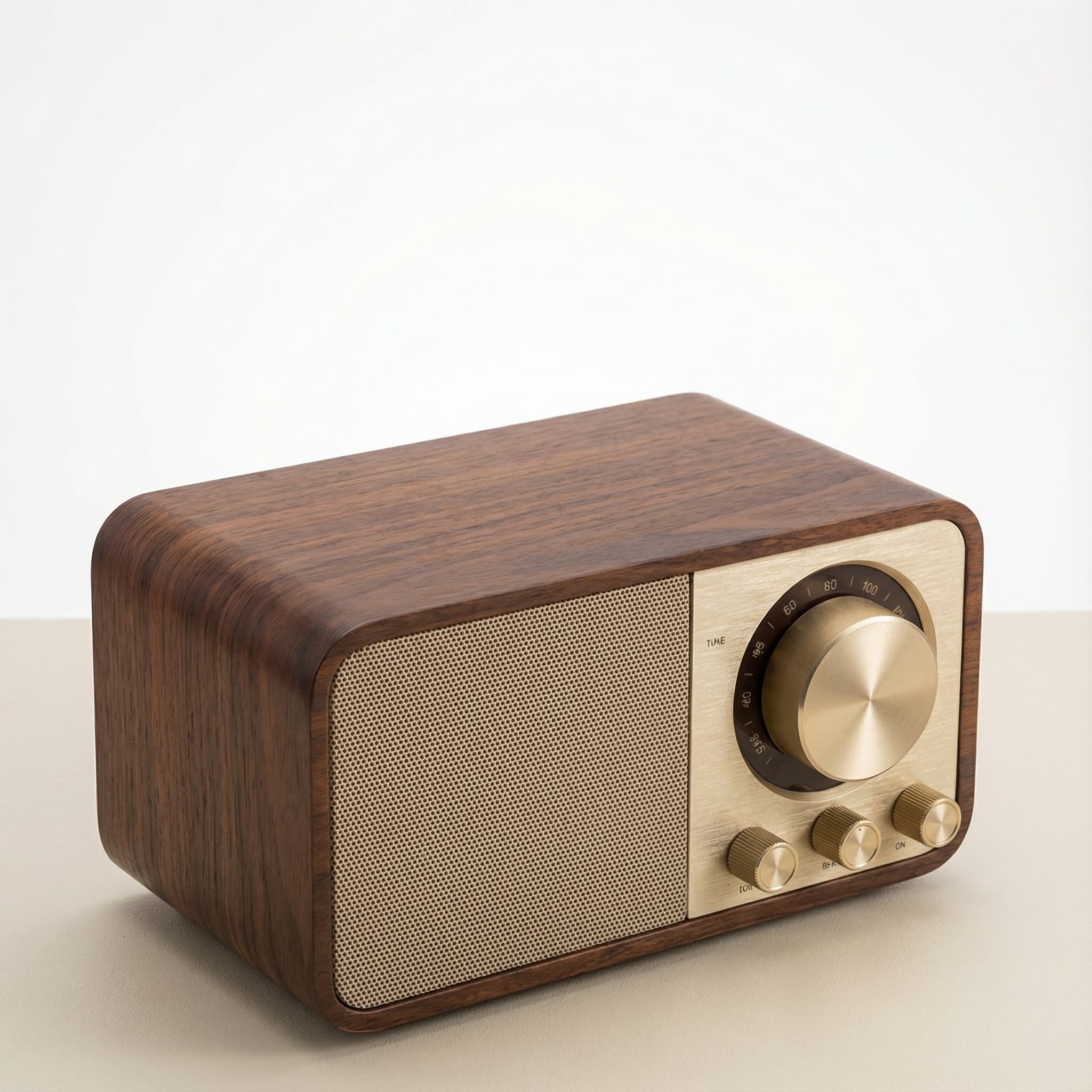 Sale
Retro Wood-Cabinet Bluetooth Speaker with FM Radio
In stock · Ships in 7–21 business days

Ortizan X10 Portable Bluetooth Speaker with RGB Lights
In stock · Options available · Ships in 7–21 business days

Ohayo X10 Max Bluetooth Speaker with Bass Boost and Lights
In stock · Options available · Ships in 7–21 business days
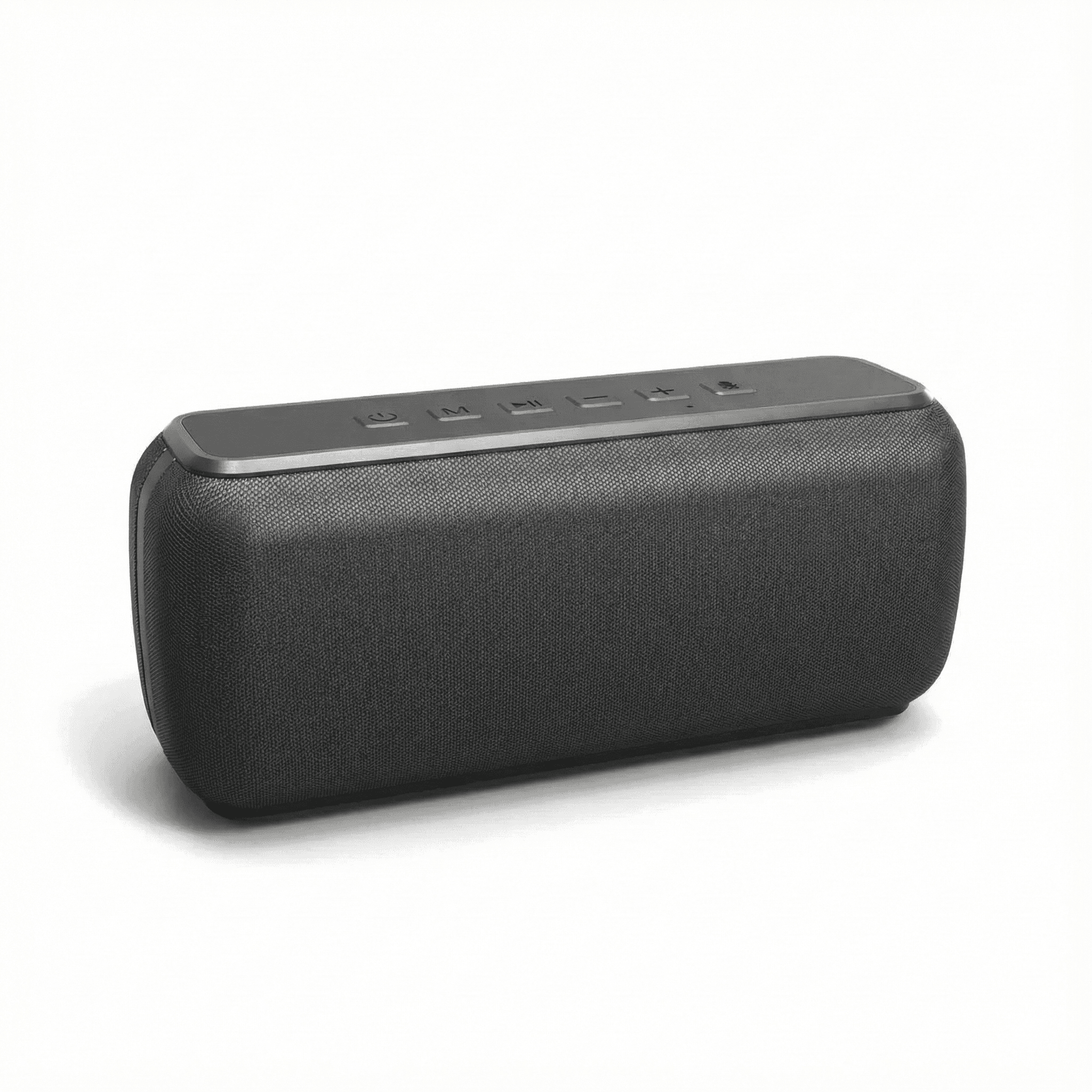
Xdobo X8 II Portable Bluetooth Speaker with Power Bank
In stock · Options available · Ships in 7–21 business days
Continue reading
 Deals & Smart Shopping
Online Price Tracking: How to Set Alerts and Read History
Online price tracking explained: how price alerts and history charts work, how to set a target price, claim price adjustments and avoid trackers that oversell.
 Deals & Smart Shopping
Black Friday vs Seasonal Sales: When to Buy What
Black Friday vs seasonal sales by product: when TVs, laptops, clothing, mattresses and outdoor gear usually hit their lowest prices, and when waiting pays.
 Fashion & Style
Watch Band Material Guide: Silicone, Leather, Metal, Nylon
Watch band material guide comparing silicone, FKM, leather, steel, titanium and nylon for sweat, skin sensitivity and style, plus how to get lug width right.