

How to Trim Nose and Ear Hair Safely: Step by Step
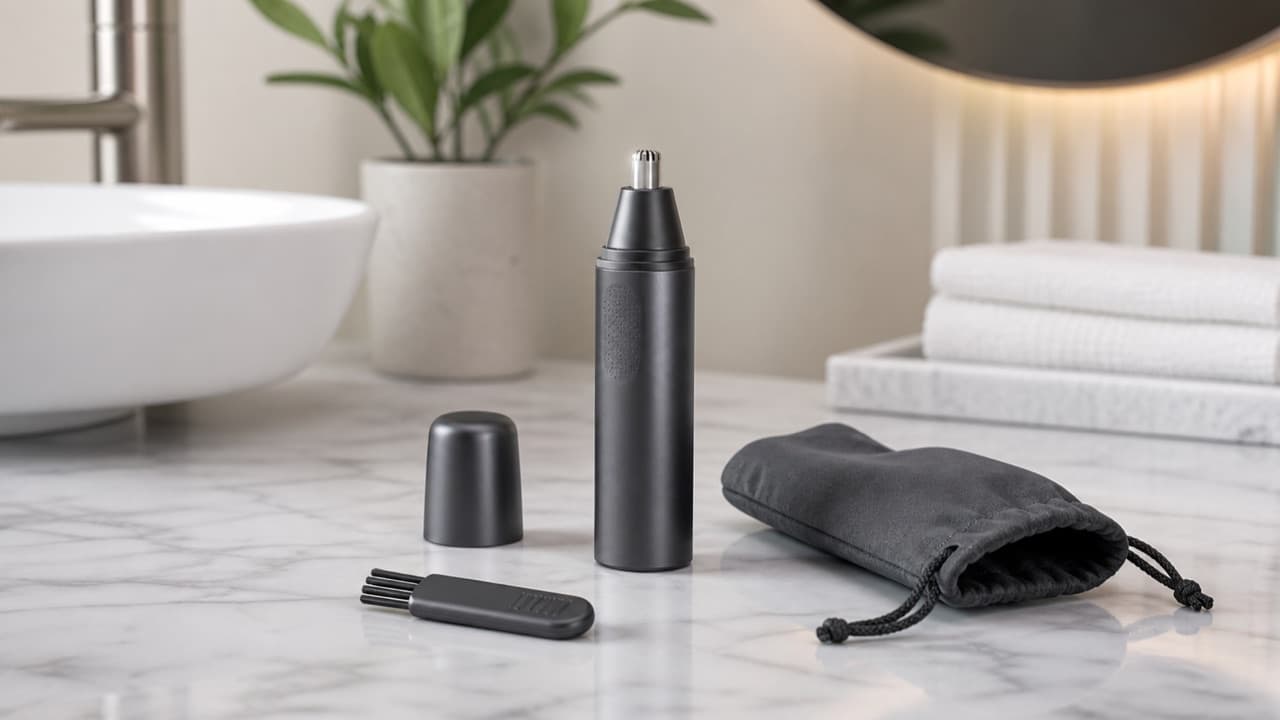
To trim nose and ear hair safely, use a guarded electric trimmer, keep the tip just inside the opening rather than pushing it deep, and remove only the hairs you can see. The inside of the nose and the ear canal are delicate, and both rely on hair to do a job, so the goal is a tidy appearance, not bare skin. This guide covers how to trim nose and ear hair safely step by step, the habits that prevent nicks and irritation, and the warning signs that mean you should stop and see a clinician instead.
Key takeaways
- Insert the trimmer head only a short distance, about a quarter inch (roughly 5 to 6 mm) into the nostril, and never into the ear canal itself.
- Trim only the hair visible from the outside; nose hair filters air and ear hair helps keep debris out.
- Trimming with a guarded head is lower risk than plucking or waxing, which can leave openings for irritation and infection.
- Clean the trimmer after every use and never share it; it contacts mucous membranes.
- Stop and seek medical advice for bleeding that does not settle with pressure, swelling, increasing pain, pus or fever.
Why you should never remove all nose and ear hair
Nose hair traps dust, pollen and other particles before they travel further into your airways, and it works alongside the moist lining of the nose to humidify and filter incoming air. Ear hair and earwax help stop dust and debris from reaching deeper into the ear canal. Neither is a cosmetic accident.
That is why safe trimming has a clear limit: shorten the hair that sticks out or is visible at the opening, and leave the rest alone. A trimmer with a guard naturally helps here because it cannot cut flush to the skin. If you find yourself pushing the head further in to chase every last hair, you have gone past the point of benefit.
How to trim nose hair safely, step by step
- Start with a clean, charged trimmer. A slow motor or a clogged head pulls hair instead of cutting it. Check the battery and clear any old clippings first.
- Blow your nose and wash your hands. A clear nostril shows you what actually needs trimming, and clean hands reduce the bacteria you introduce.
- Use good light and a mirror. Bright, direct light in front of you, or a magnifying mirror, lets you see the visible hairs without guessing.
- Tilt your head back slightly. This opens the nostril and lets you see the hairs near the entrance.
- Insert the tip only a little way. Keep the guarded head just inside the nostril opening. You do not need to go further than the hairs you can see.
- Move gently in small circles. Let the trimmer do the work. Pressing hard against the wall of the nostril does not cut better and can irritate the lining.
- Check and repeat sparingly. Remove the trimmer, look in the mirror, and only go back for hairs that are still visible.
- Clean up. Blow your nose gently or rinse the outside with water to remove loose clippings.
How to trim ear hair without hurting your ear
Ear hair needs a different approach because the ear canal is narrow, sensitive and leads to the eardrum.
- Stay on the outer ear. Trim hairs on the rim, the earlobes, the small flap in front of the canal (the tragus) and the visible opening. Do not insert any trimmer into the ear canal.
- Use the right head. A vertical or comb-style head is easier to aim at hairs on the outer ear than a rotary cup.
- Use a second mirror or help. You cannot see your own ears well. A handheld mirror angled into a wall mirror, or someone to point out stray hairs, prevents blind poking.
- Keep the trimmer flat against the skin. Glide it along the surface rather than jabbing the tip toward the canal.
- Never use cotton swabs to clean out clippings. They can push hair and wax deeper. Wipe the outer ear with a damp cloth instead.
Hairs inside the canal that bother you, or excess wax, are a job for a clinician rather than a trimmer.
Trimming vs plucking, waxing and scissors
| Method | How it works | Main risks | Safety verdict |
|---|---|---|---|
| Guarded electric trimmer | Blade cuts hair inside a protective guard | Minor irritation if pressed hard; pulling if dull | Lowest risk for routine grooming |
| Small rounded scissors | Cut visible hairs at the opening | Cuts to the nostril lining if you slip | Acceptable with rounded safety tips and steady hands; stay at the edge |
| Tweezers or plucking | Pull hair out at the root | Leaves openings in the skin that can become irritated or infected; painful | Not recommended inside the nose |
| Nose waxing kits | Wax pulls out hairs near the opening | Irritation, removal of too much hair, wax stuck too far in | Riskier than trimming; if used, follow the kit precisely and only at the entrance |
Infections in the nasal vestibule, the area just inside the nostril, often start with small breaks in the skin from picking, plucking or rough handling. A guarded trimmer avoids most of that because it does not pull hair out or leave an exposed edge on the skin.
Hygiene: keep the trimmer clean and personal
A trimmer used inside the nose collects clippings, mucus and skin oils. Rinse the head after every use if it is washable, brush out the guard, and let it dry with the cap off before storing. Wipe the guard with isopropyl alcohol only if the manual allows it. Our nose and ear hair trimmer buying guide walks through cleaning in detail and explains how head design affects comfort.
Do not share a nose trimmer with anyone else, even within a household. If you need a replacement, ADLTHUB lists a nose and ear hair trimmer; check the product page for the head type, power source and cleaning instructions before you order.
Keep trimmers and other small blades out of reach of children, and do not use an adult nose trimmer on a child without advice from their pediatrician.
When to stop and see a doctor
A tiny spot of blood after an accidental nick usually stops quickly with gentle pressure. Seek medical advice instead of continuing to trim if you notice:
- A nosebleed that does not stop after about 10 to 15 minutes of steady pressure, or nosebleeds that happen often.
- Redness, swelling, tenderness or a painful bump at the tip or inside of the nose that gets worse over a day or two.
- Pus, crusting that keeps returning, or a fever.
- Ear pain, discharge, sudden hearing change or ringing after grooming your ears.
- Hair growth that changes suddenly or is accompanied by other symptoms, which is worth mentioning to your doctor.
If you take blood thinners, have a bleeding disorder or have had recent nasal surgery, ask your clinician whether trimming is appropriate and how to do it safely.
Mistakes to avoid
- Going too deep. Pushing the trimmer far into the nostril or into the ear canal removes hair you need and risks injury.
- Using a dull or slow trimmer. Tugging is a sign the blade is clogged, worn or underpowered. It irritates the skin and tempts you to press harder.
- Trimming with a cold or sinus infection. The lining is already inflamed and more likely to bleed. Wait until it settles.
- Plucking stubborn hairs. It is the most common route to a sore, infected spot inside the nose.
- Skipping the light. Trimming blind means more passes, more pressure and more chance of a nick.
- Forgetting about overgrooming. Trimming every few days is rarely needed. Every one to three weeks is typical.
Which method fits you
- Use a guarded electric trimmer if you want routine, low-risk grooming of the nose and outer ears.
- Use rounded-tip scissors if you only have a few long hairs at the very edge of the nostril and have steady hands and good light.
- See a professional if you have hair or wax inside the ear canal, recurring nosebleeds or any sign of infection.
- Skip plucking and waxing if you are prone to irritation or simply want the lowest-risk option.
For other grooming routines, our guide on using and cleaning a body groomer covers larger areas, and the personal care category lists trimmers and shavers.
Frequently asked questions
How far should you put a nose hair trimmer in?
Only a short distance, roughly a quarter inch (about 5 to 6 mm), just enough to reach hairs visible at the nostril opening. You do not need to reach deeper hairs, which are doing useful filtering. If the trimmer meets resistance or discomfort, pull back.
Is it dangerous to pluck nose hair?
Plucking is riskier than trimming because it pulls hair out at the root and can leave small openings in the skin inside the nose. Those can become irritated or infected. Trimming with a guarded tool achieves the same visible result with less risk.
Why does my nose bleed after trimming?
Usually because the trimmer pressed against or nicked the lining, or the lining was already dry or inflamed. Apply gentle pressure by pinching the soft part of the nose while leaning forward. If bleeding does not stop after about 10 to 15 minutes, or happens often, seek medical advice.
Can you put a trimmer inside your ear canal?
No. Trim only the outer ear and the visible opening. The ear canal is narrow and sensitive, and hair and wax there help protect it. Leave anything inside the canal to a clinician.
Is trimming nose hair bad for allergies?
Trimming only the visible hairs leaves most of the filtering hair in place, so routine trimming should not remove the nose’s natural defenses. Removing hair aggressively or deeply is what reduces filtering, so keep trims light if you have allergies.
Shop Beauty & Personal Care
View all →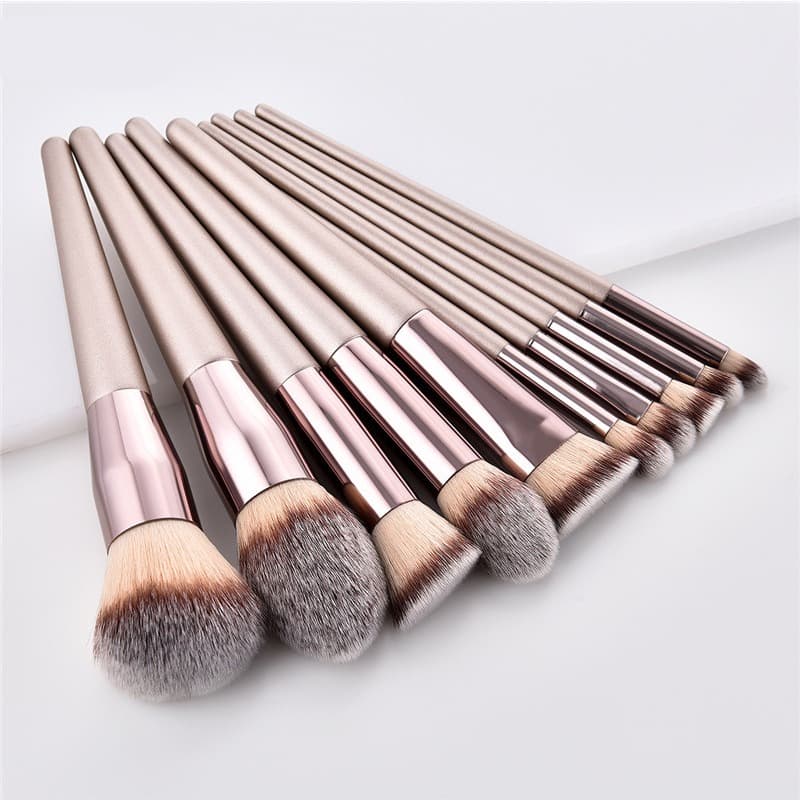 Sale
Champagne Gold Makeup Brush Set with Travel Pouch
In stock · Options available · Ships in 7–21 business days
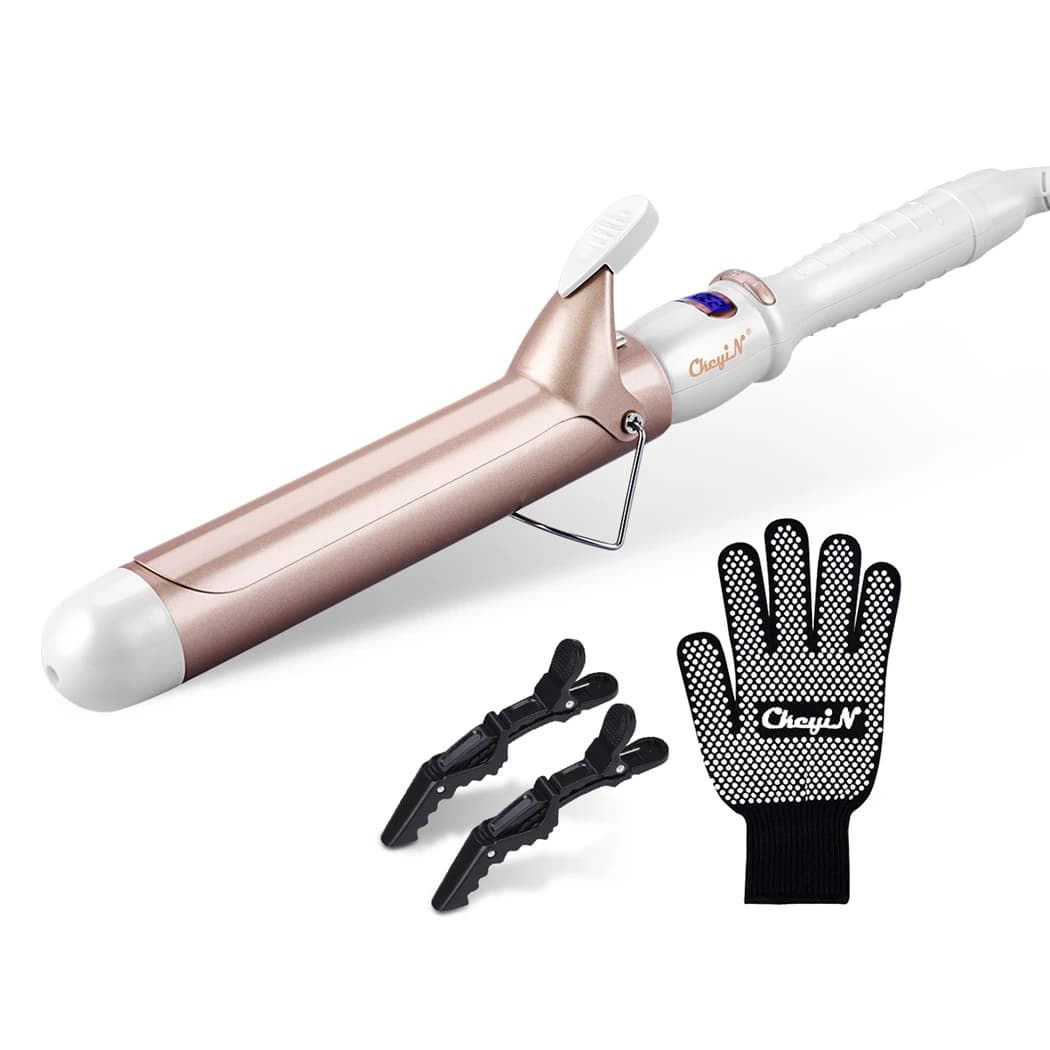
Tourmaline Ceramic Hair Curler with Adjustable Heat
In stock · Options available · Ships in 7–21 business days
 Sale
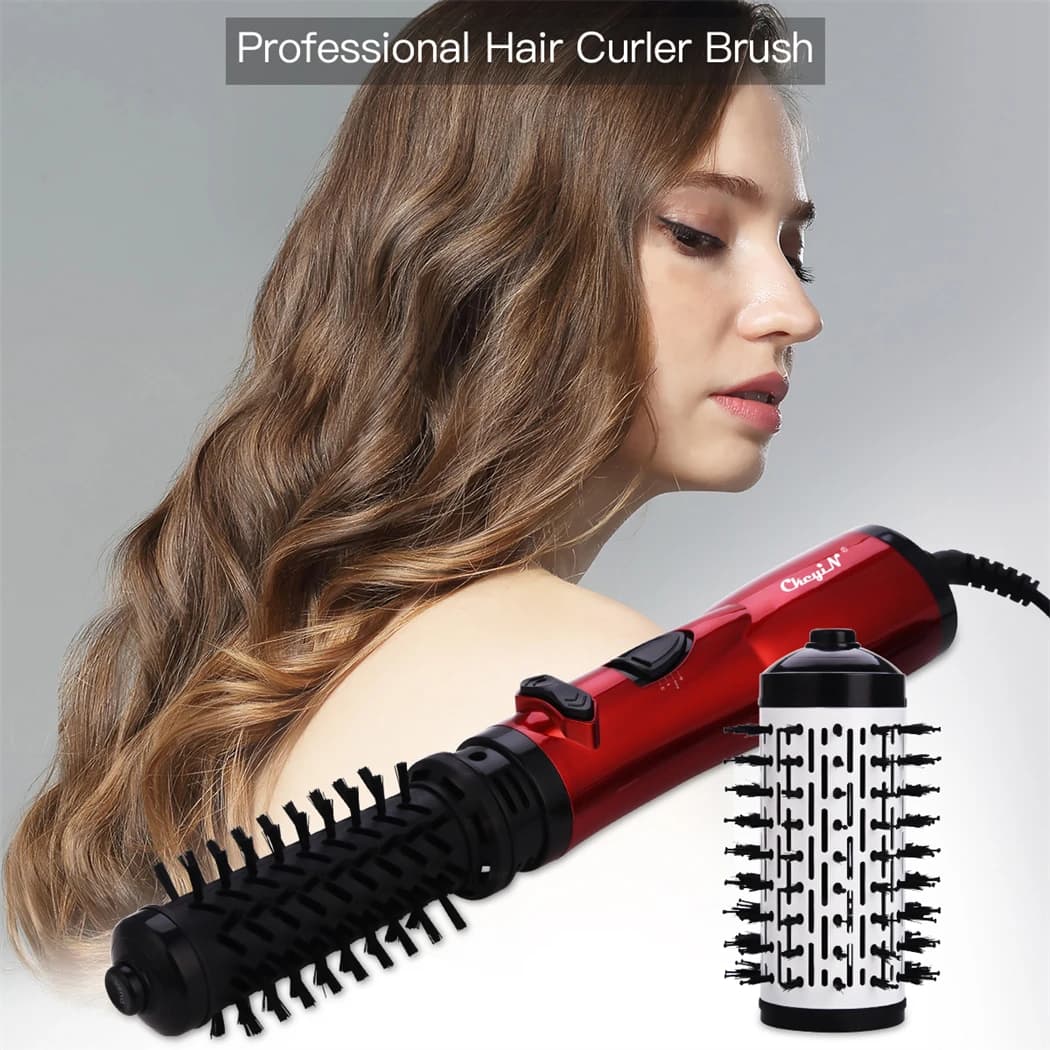
Rotating Hot Air Brush with Ceramic Tourmaline Barrel
In stock · Ships in 7–21 business days
 Sale
High-Speed Brushless Ionic Hair Dryer with Magnetic Nozzle
In stock · Options available · Ships in 7–21 business days
Continue reading
 Beauty & Personal Care
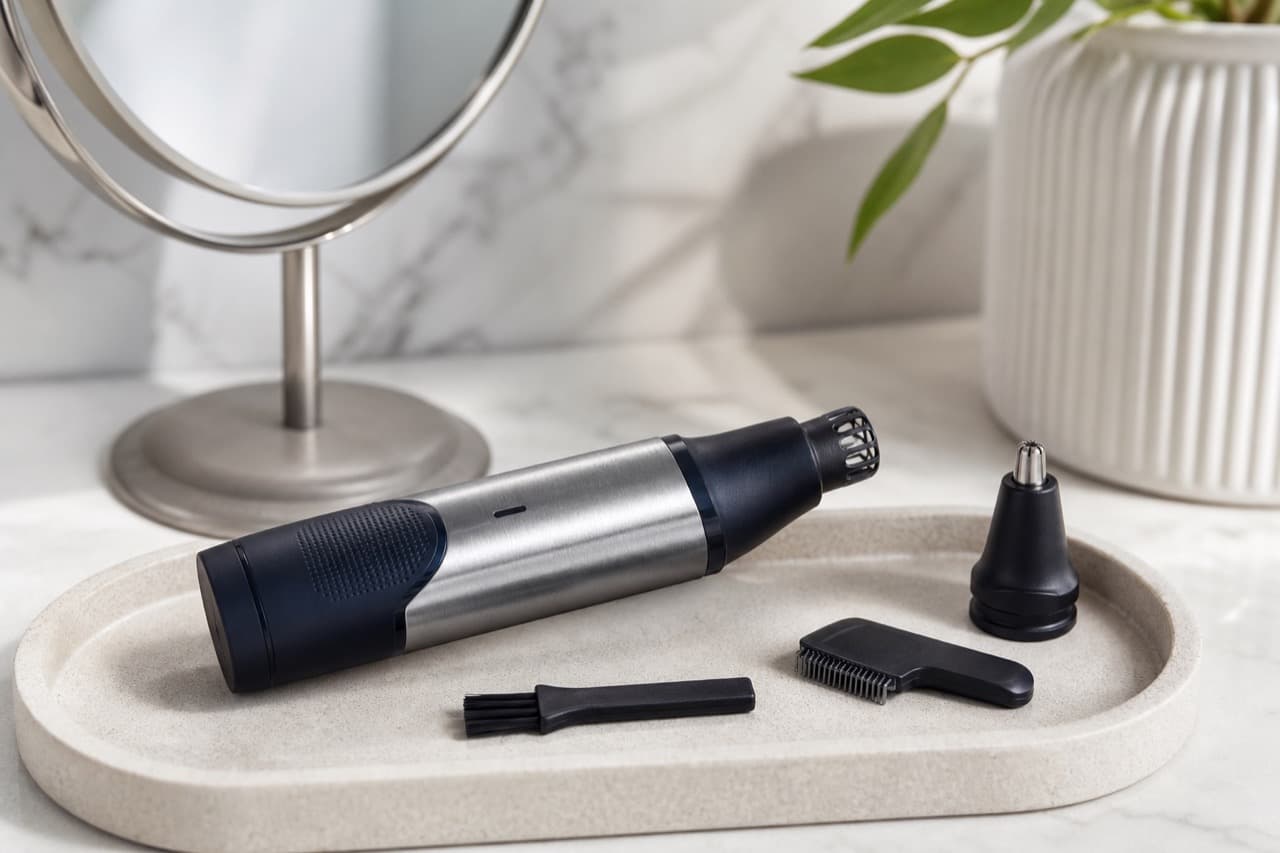
Nose and Ear Hair Trimmer Guide: Features That Matter
Nose and ear hair trimmer guide: rotary vs vertical blades, AA vs USB-C power, washable heads, eyebrow guides and cleaning, so you buy one that cuts cleanly.
 Beauty & Personal Care
Water Flosser Benefits and How to Use One Safely
Water flosser benefits explained honestly: who gains most, how to use one without hurting your gums, pressure settings, cleaning, and when to ask a dentist.
 Beauty & Personal Care
Hair Dryer Wattage, Heat Settings and Voltage Explained
Hair dryer wattage, heat and speed settings, motor types and voltage explained, so you can compare dryers, avoid travel burnout and dry faster with less heat.