

Handheld Steam Cleaner Safety: Burns, Refills and Use
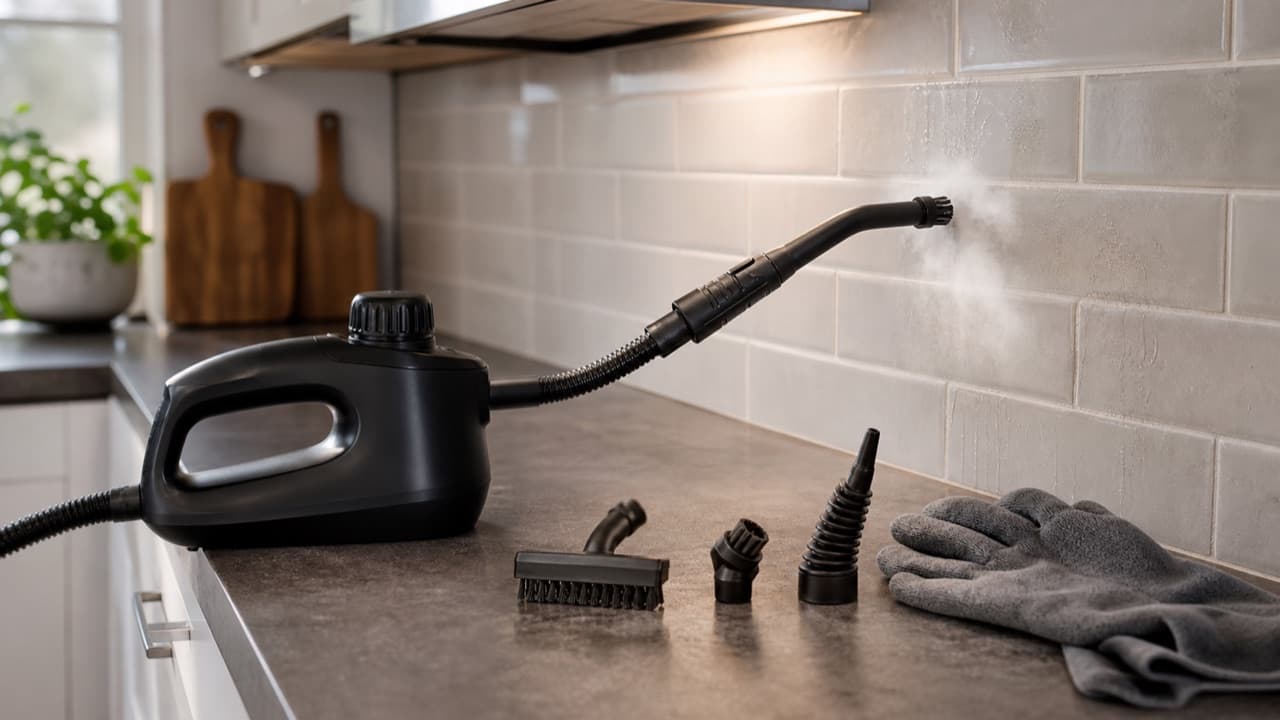
Handheld steam cleaner safety comes down to respecting three things: the steam is hotter than boiling water, the boiler is under pressure, and the whole appliance is a mains-powered device used around water. Get the filling, refilling and pointing habits right and a handheld steamer is a practical tool for grout, faucets, hinges and stove knobs. This guide is for first-time owners and anyone who has had the unit spit, sputter or refuse to open. It focuses on operating the tool safely; for which surfaces can take steam at all, read our companion steam cleaner surface compatibility guide.
Key takeaways
- Never force the safety cap. If it will not turn, there is still pressure inside; unplug and wait until it has cooled as the manual directs.
- Steam burns quickly because it releases extra heat as it condenses on skin. Keep hands, faces, pets and children out of the jet.
- Fill only with the water type the manual names, and never add vinegar, detergents or fragrance to the tank unless it says you may.
- Hold the unit as upright as the manual says; tilting a small boiler can spit hot water rather than steam.
- Plug directly into a grounded, GFCI-protected outlet where possible, and keep the cord away from the steam path.
- Descale on the schedule in the manual; scale causes sputtering, weak steam and blocked nozzles.
How a handheld steam cleaner works, and why that matters for safety
Most compact handheld steamers are small boilers. A heating element brings a sealed tank of water above its boiling point, which builds pressure. Pressing the trigger releases that pressure as a jet of steam through the nozzle or attachment. Three consequences follow:
- The tank stays pressurized after you unplug it. That is why the filler cap has a safety lock, and why opening it hot is the most serious risk with these tools.
- The steam leaves at or above 212°F (100°C). Steam that condenses on skin releases a large amount of extra heat, so a brief blast can burn more severely than a splash of hot tap water.
- Tank capacity is small. Handheld units usually hold a few hundred milliliters, so sessions are short and you will refill more often than with a canister steamer. Each refill is a cooling-down and reopening cycle, which is exactly where accidents happen.
Safe start-up: filling and heating
- Start unplugged and cold. Open the cap only when the unit is cool.
- Use the right water. Many manuals call for distilled or demineralized water, or a mix with tap water in hard-water areas, to slow scale build-up. Follow your manual exactly; some models are designed for tap water.
- Fill to the marked line, not higher. Overfilling leaves no space for steam and can make the unit spit water.
- Close the cap firmly and check the seal is seated. A damaged or missing gasket is a reason to stop.
- Fit the attachment before plugging in. Changing nozzles on a hot unit puts your fingers next to the outlet.
- Plug in and wait for the ready light. Heat-up typically takes a few minutes. Point the nozzle at a sink or cloth and give the first trigger pull there, because the first burst often contains water.
Using it safely: pointing, distance and the cord
- Point away from yourself and others. Never aim at people, pets or plants, and never use it to clean clothes while you are wearing them.
- Mind the bounce-back. Steam deflects off hard surfaces and out of corners. Wear rubber-soled shoes and consider gloves when working inside cabinets, ovens or shower corners, where steam can roll back toward your hand.
- Keep electricity separate. Do not steam outlets, switches, power strips or appliance control panels. Keep the cord behind you, not across the work area.
- Use the right outlet. Bathrooms and kitchens in US homes normally have GFCI outlets; use them. If you must use an extension cord, follow the manual and pick one rated for the appliance’s wattage; never daisy-chain.
- Work in short bursts. Steam, then wipe. Holding the jet on one spot concentrates heat and moisture.
- Ventilate. Steam raises humidity fast in small rooms. Run the fan or open a window and let the room dry afterward.
- Keep children away and never leave it plugged in unattended. A hot unit on a bathroom counter is easy for a child to grab.
Refilling without getting burned
When the steam weakens or the low-water indicator comes on, the tank is nearly empty but still hot and possibly pressurized. The safe sequence:
- Release the trigger and unplug the unit.
- Point it into a sink and press the trigger to release remaining steam if your manual says this is permitted.
- Let it cool for the time stated in the manual. Some models have a pressure indicator or a cap that will not turn until pressure has dropped.
- Cover the cap with a cloth, turn it slowly, and keep your face away from the opening.
- Refill with cool water to the line, close, and reheat.
If the cap will not open, do not use pliers or force. It is doing its job.
Attachments and what each one is safe for
| Attachment | Good for | Safety note |
|---|---|---|
| Jet nozzle | Grout lines, faucet bases, hinges, tracks | Most concentrated heat and spray; keep well away from skin and seams |
| Nylon detail brush | Grout, stove knobs, textured tile | Can scratch soft finishes; avoid acrylic and coated surfaces |
| Brass or wire brush (if supplied) | Baked-on grime on durable metal | Scratches stainless steel finishes, enamel and glass; test first |
| Squeegee | Mirrors and shower screens | Avoid very cold glass; sudden heat can stress it |
| Cloth-covered tool | Larger sealed surfaces, light refreshing | Spreads heat; cloth becomes hot and damp, so let it cool before removing |
Check the Handheld High-Temperature Steam Cleaner product page for its included attachments, tank details, delivery and returns before planning which jobs it will handle.
After use: cooling, emptying and descaling
- Unplug and let it cool fully before removing attachments or opening the cap.
- Empty leftover water if the manual recommends it. Standing water encourages scale and stale odors.
- Dry and store attachments separately; damp cloth pads can mildew.
- Descale as directed. Signs of scale include sputtering, white flakes in the steam and weaker output. Use only the descaling method the manual approves.
- Inspect the cord and cap gasket occasionally. Cracks, burns or a leaking seal mean the unit should be serviced or replaced.
A handheld steamer for cleaning is a different tool from a garment steamer, which runs at low pressure for fabric. If you are choosing for clothes, see our garment steamer vs iron guide.
Mistakes to avoid
- Opening the cap while hot. The single most dangerous habit; pressurized steam and boiling water can escape at your face and hands.
- Adding vinegar or cleaner to the tank. Unless the manual says so, additives can damage seals and heating parts and produce fumes.
- Steaming around electrical points. Moisture driven into outlets or appliance controls creates shock and short-circuit risk.
- Assuming steam disinfects. Do not assume steam sanitizes a surface unless the product instructions state the conditions, such as contact time and distance.
- Ignoring sputtering. Spitting water usually means overfilling, tilting too far or scale. Stop, cool and fix the cause.
- Using a damaged unit. A frayed cord, leaking cap or burning smell means stop using it and contact the seller or manufacturer.
Is a handheld steam cleaner right for you?
- Choose a handheld steamer if your jobs are small and targeted: grout lines, faucet bases, range knobs, window tracks, and you are happy to refill often.
- Choose a canister or mop-style steamer if you plan long sessions or large sealed floors, where a small tank means constant cool-down cycles.
- Choose ordinary cleaning methods if the household includes small children who cannot be kept out of the room, or most surfaces are unsealed wood, delicate finishes or electronics.
Browse cleaning tools in the home and kitchen category.
Frequently asked questions
Why won’t my steam cleaner cap open?
Most handheld steamers have a safety cap that resists opening while the tank is pressurized. Unplug it and let it cool for the time in the manual. Never force the cap with tools.
Can I put vinegar in a handheld steam cleaner?
Only if the manual specifically allows it, usually as part of a descaling routine. Otherwise use plain water of the type the manual recommends, since additives can damage seals and internal parts.
Should I use distilled water in a steam cleaner?
Many manufacturers recommend distilled or demineralized water, especially in hard-water areas, to reduce scale. Some models are designed for tap water. Follow your manual.
Is a steam burn worse than a hot water burn?
Steam can cause severe burns quickly because it releases extra heat when it condenses on skin. Cool any burn under cool running water and seek medical care for anything more than a minor burn.
Why is my steam cleaner spitting water?
Common causes are overfilling, tilting the unit beyond the angle the manual allows, triggering before it is fully heated, or scale. Unplug, cool, check the water level and descale if needed.
Shop Home & Kitchen
View all →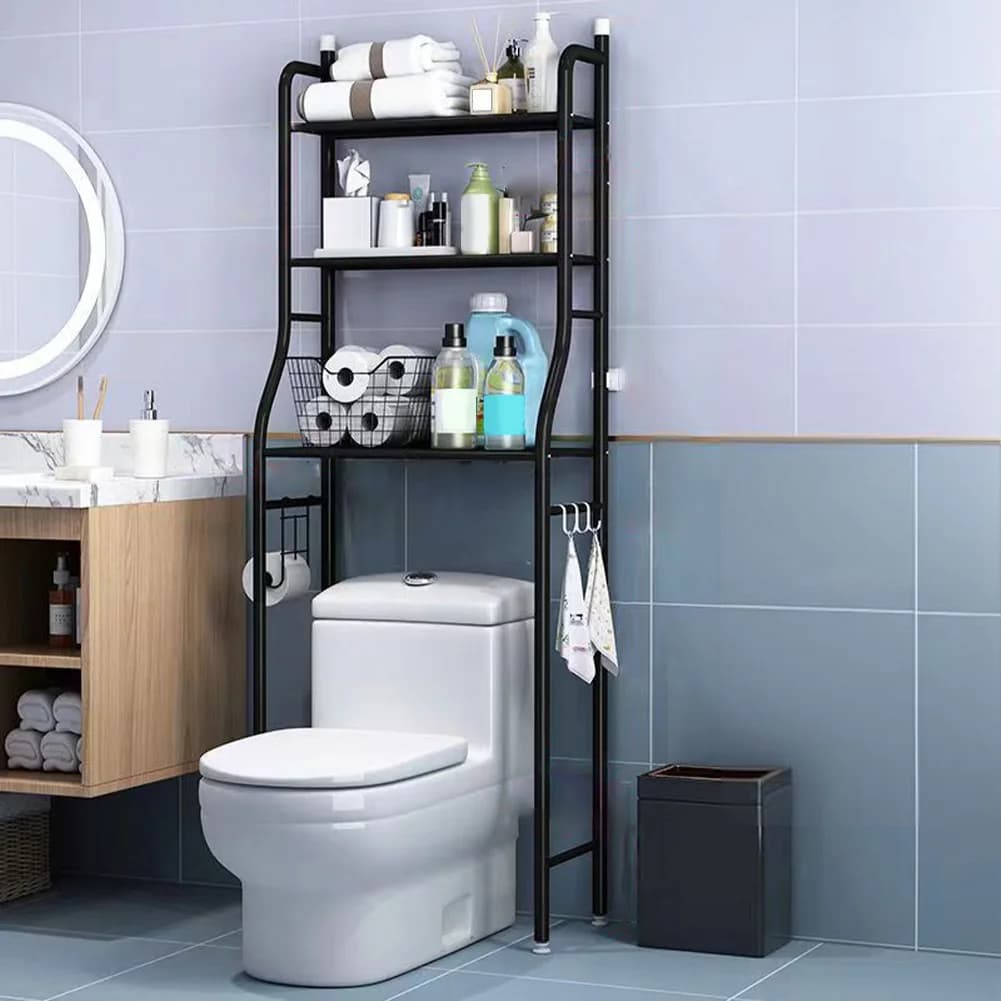
3-Tier Over-Toilet Storage Rack in Powder-Coated Carbon Steel
In stock · Options available · Ships in 7–21 business days
 Sale
Wingback Massage Recliner Chair in PU Leather with Footrest
In stock · Options available · Ships in 7–21 business days
 Sale
Mid-Century Modern Accent Armchairs, Set of Two, Wood Frame
In stock · Options available · Ships in 7–21 business days

Fireplace Flame Ultrasonic Humidifier and Oil Diffuser
In stock · Options available · Ships in 7–21 business days
Continue reading
 Home & Kitchen
Aromatherapy Diffuser Safety: Pets, Kids and Placement
Aromatherapy diffuser safety basics: how long to run it, oils to avoid around pets and young children, safe placement, electrical care and warning signs.
 Home & Kitchen
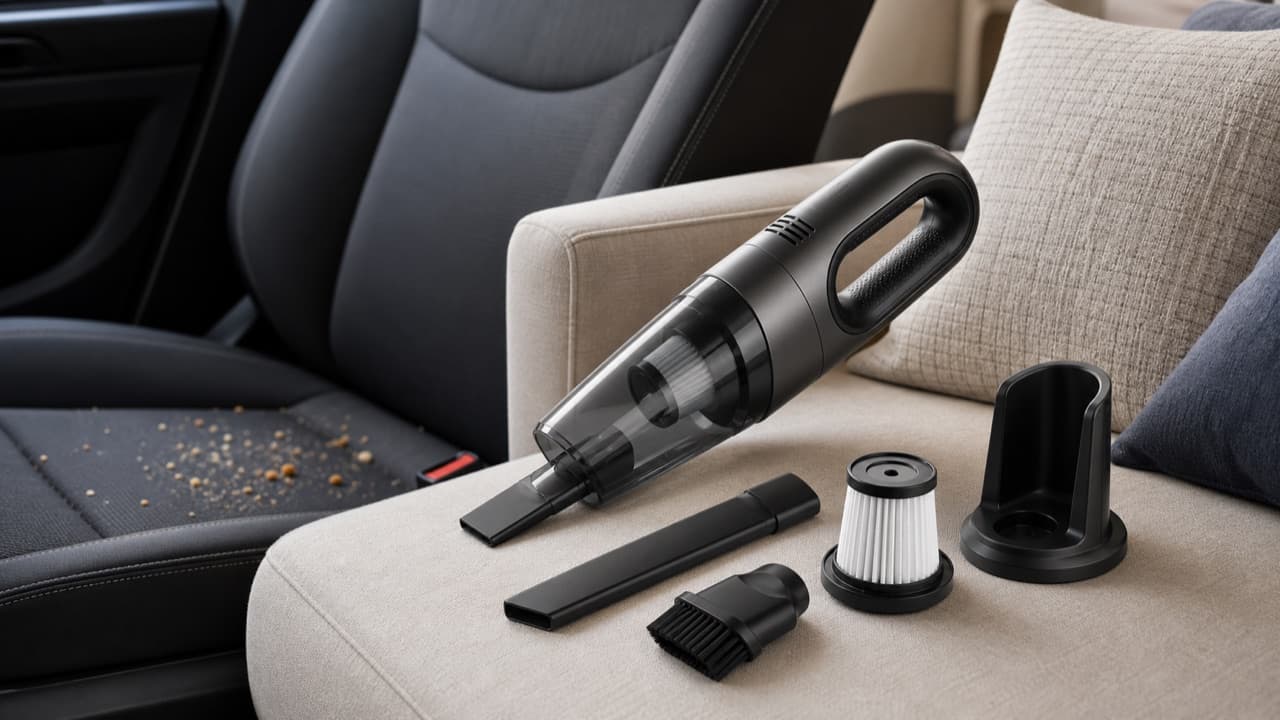
Handheld Vacuum Buying Guide: Runtime, Suction, Filters
Handheld vacuum buying guide: how to read suction and runtime claims, pick attachments and filters, and match a cordless handheld to crumbs, pet hair or stairs.
 Home & Kitchen
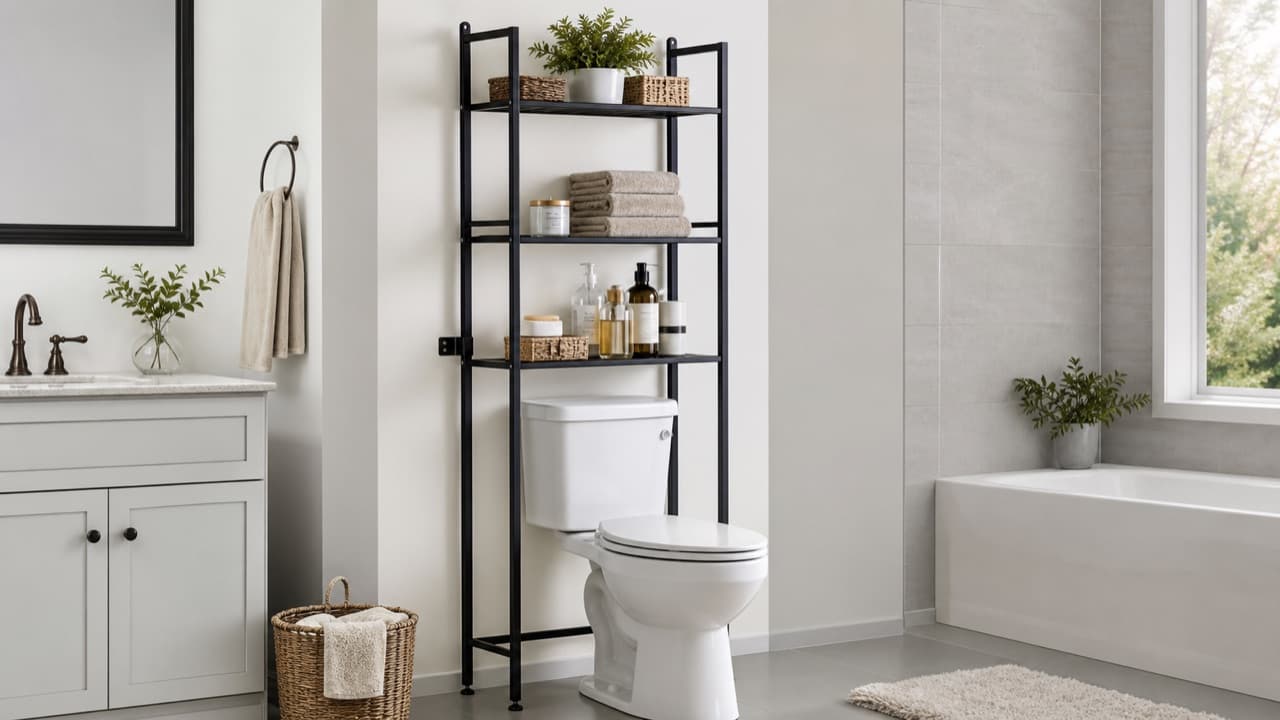
Over-the-Toilet Storage Rack Safety: Anchoring and Loads
Over-the-toilet storage rack safety: anti-tip anchoring, safe shelf loads, tank lid and plumbing access, rust and moisture risks and what to keep off shelves.