

Pantry Organization With Glass Containers: Sizes and Setup
Pantry organization with glass containers works best when you size each jar to a real package, measure your shelves before buying a matching set, and choose lids that actually seal. Done that way, glass gives you a pantry where you can see stock levels at a glance, keep pests and humidity out of dry goods, and stop buying a third bag of rice you already had. This guide is for anyone planning to decant flour, grains, pasta, snacks and baking supplies into modular glass storage, whether you have a walk-in pantry or two cabinet shelves next to the fridge.
Key takeaways
- Measure shelf depth, usable height and width first; modular sets only look tidy when the rows fit the shelf without a gap or an overhang.
- Size containers to the package you buy: a 5 lb (2.3 kg) bag of all-purpose flour needs roughly 4.5 to 5 quarts (about 4.5 L) of space with room to scoop.
- Square and rectangular jars use shelf space better than round ones; round jars are easier to clean and pour from.
- A silicone gasket and a locking or snug lid matter more than the glass itself; loose bamboo lids look good but seal poorly.
- Glass is heavy when full, so keep large jars on lower, sturdy shelves and plastic on high ones you reach overhead.
Is glass the right pantry storage material?
Glass does not absorb odors or oils, does not stain from turmeric or coffee, and survives a dishwasher for years without clouding the way some plastics do. It is also easy to inspect: you can see moisture, clumping or pantry moth webbing before you open the lid. Those strengths make glass a good choice for staples you buy repeatedly and want to see, such as oats, rice, pasta, sugar, beans and nuts.
The trade-offs are real. Glass breaks, it is noticeably heavier than plastic, and a large full jar can weigh several pounds before you add the food. Many households end up mixing materials: glass at counter and waist height for daily staples, lightweight BPA-free plastic or acrylic on the top shelf and in kids’ snack zones, and the original packaging for things you rarely use. If your pantry shelf is wire or thin particleboard, check how much it bows under a row of filled jars before committing.
Borosilicate vs soda-lime glass
Most pantry canisters are soda-lime glass, which is perfectly suitable for room-temperature dry storage. Borosilicate glass handles sudden temperature changes better, which matters if you also want to freeze, microwave or bake in the same containers. For a dry-goods pantry, thickness and lid quality matter more than glass type, so do not pay extra for borosilicate unless you plan to use the jars across the kitchen.
Pantry container sizes: matching jars to what you buy
The most common pantry mistake is buying a pretty set of identical jars and then discovering your flour does not fit. Start by listing the ten to fifteen items you buy most and the package size of each. The volumes below are approximate, since density varies by brand and how tightly a product settles, but they are a sensible starting point.
| Item and typical package | Approximate volume | Container size to look for |
|---|---|---|
| All-purpose flour, 5 lb bag | About 17 to 20 cups | 4.5 to 6 quart, wide mouth for a scoop |
| Granulated sugar, 4 lb bag | About 8 to 9 cups | 2.5 to 3 quart |
| Long-grain rice, 2 lb bag | About 4.5 to 5 cups | 1.5 to 2 quart |
| Rolled oats, 42 oz canister | About 13 to 15 cups | 4 to 5 quart |
| Short pasta, 1 lb box | About 5 to 6 cups, shape dependent | 2 quart |
| Spaghetti, 1 lb box | Long, narrow | Tall jar at least 11 inches (28 cm) inside |
| Brown sugar, 2 lb bag | About 4 to 5 cups packed | 1.5 quart with a good seal |
Leave roughly 10 to 20 percent headspace so you can pour a new bag in without spilling and fit a measuring cup inside. If you buy in bulk, it is usually better to keep a working jar in the pantry and the surplus sealed elsewhere than to buy giant jars that monopolize a whole shelf. Bulk dry goods you want to keep for many months can also be portioned with a vacuum sealer; the vacuum sealing vs food containers comparison explains when each approach makes sense.
How to measure pantry shelves for modular storage
Modular storage is built on a footprint grid, so a few minutes with a tape measure prevents most returns.
- Depth: measure from the back wall to the front edge, then subtract the door clearance if a cabinet door has shelving or a hinge that intrudes. Many cabinet shelves are about 11 to 12 inches (28 to 30 cm) deep; walk-in pantry shelves are often 12 to 16 inches (30 to 40 cm).
- Usable height: measure from the shelf to the underside of the shelf above, then subtract at least 2 inches (5 cm) so you can lift a lid or tilt a jar out without hitting the top.
- Width: measure the clear span between side walls or supports, not the door opening, which is often narrower.
- Load: note the shelf material. Adjustable cabinet shelves on small pins and wire shelves carry less than fixed, supported wood shelves.
Then plan rows. Two jars deep is usually the practical limit; anything behind the second row gets forgotten. On deep walk-in shelves, use a turntable or a pull-out bin for the back zone instead of a third row of jars. Step risers help with spices and cans, while tall jars belong at the back with short ones in front.
Airtight glass canisters: what makes a lid seal
The lid determines whether your containers keep crackers crisp and brown sugar soft. Look for these features and check the product listing for each:
- Silicone gasket: a removable ring is easier to wash and replace than one molded in place. Gaskets wear and harden over years, so replacement availability is worth checking.
- Locking or clamp lids: four-side locking lids and wire-bail clamp jars generally seal more reliably than push-on lids.
- Bamboo or wooden lids: attractive, but wood moves with humidity and often cannot go in the dishwasher. They are fine for pasta or items you use within a few weeks, less so for hygroscopic foods like brown sugar or crackers.
- Opening width: a wide mouth lets you scoop flour and fill without a funnel. Narrow-necked jars suit pouring items like rice and lentils.
A tight seal slows staling and moisture uptake, and it helps contain pantry pests: if one jar gets an infestation, a sealed lid keeps it from spreading to the rest of the shelf. A seal does not make food last indefinitely, and it does not replace refrigeration for items that need it. Whole wheat flour, nuts and seeds contain more oil and can go rancid at room temperature, so many cooks keep larger quantities of those in the fridge or freezer.
How to decant pantry items without losing track of dates
Decanting removes the package, and with it the best-by date and sometimes the cooking instructions. A simple routine solves that:
- Before you pour, cut the best-by date and any cooking directions from the bag and tape them to the back of the jar, or write them on a removable label.
- Use the container empty-then-refill rule: finish the old contents, wash and fully dry the jar, then refill. Topping up old flour with new mixes ages and lets problems carry over.
- If you must top up, pour the remaining old product into a bowl, add the new product to the jar, then put the old product on top so it gets used first.
- Keep a small shopping-list pad or phone note in the pantry and add items when a jar reaches about one-quarter full.
Make sure jars are completely dry inside before filling. A few drops of water left from the dishwasher can clump sugar and encourage mold in flour. Air-dry jars upside down overnight, or dry them with a towel and leave lids off for an hour.
Mistakes to avoid
- Buying the full matching set first. You will end up with jars that are too small for flour and too large for spices. Buy a few sizes, live with them for a month, then fill gaps.
- Decanting everything. Items you use once a year, cans and boxed mixes with complex instructions are often better left in their packaging inside a labeled bin.
- Putting heavy glass up high. A full 5-quart glass jar is awkward to lift overhead and dangerous if dropped. Store the heaviest jars between knee and shoulder height.
- Ignoring the gasket. Gaskets trap crumbs and residue. Remove and wash them when you clean the jar, and let them dry before reassembly.
- Labels that do not come off. Permanent vinyl labels look tidy until you switch from basmati to jasmine rice. Removable labels or chalk markers keep the system flexible.
- Overloading shelf pins. A shelf of filled glass can be far heavier than the cereal boxes it replaced. Check the shelf supports before loading a long row.
Which pantry setup fits your kitchen?
Pick a full glass system if you have fixed, sturdy shelves at a comfortable height, you buy the same staples repeatedly, and you value seeing stock levels at a glance. Pick a hybrid of glass and lightweight plastic if your pantry has high shelves, wire racks or small children reaching for snacks. Pick labeled bins with original packaging if you mostly buy a wide variety of products in small quantities, since decanting rarely pays off for items you never repurchase.
For small kitchens, combine a few glass jars with vertical space savers. The under-shelf basket guide covers adding a second storage level to cabinets, and the small space organization ideas help you decide what deserves pantry space at all. You can browse storage and kitchen pieces in the home and kitchen category.
Frequently asked questions
Are glass or plastic containers better for pantry storage?
Glass resists odors and stains, cleans easily and lasts for years, while plastic is lighter, cheaper and safer on high shelves or around children. Both keep dry goods fresh if the lid seals well. Many pantries use glass for daily staples and plastic for top shelves and snacks.
What size container holds a 5 lb bag of flour?
A 5 lb bag of all-purpose flour is roughly 17 to 20 cups, so a container of about 4.5 to 6 quarts usually fits it with room for a scoop. Exact volume depends on the brand and how settled the flour is. Check the container capacity in the listing rather than relying on the description alone.
Do airtight containers keep pantry bugs out?
A well-sealed container makes it much harder for pantry moths and beetles to get in or out, which helps contain an infestation to one jar. It cannot fix food that was already infested when you bought it. Inspect new packages and clean shelves if you see webbing or larvae.
Should you wash new glass canisters before using them?
Yes. Wash new jars and gaskets in warm soapy water, then let them dry completely before filling. Any moisture left inside can clump sugar or encourage mold in flour.
How do you keep track of expiration dates after decanting?
Cut the best-by date from the original package and tape it to the back of the jar, or write it on a removable label. Finish the old contents before refilling, so older food is always used first.
Shop Home & Kitchen
View all →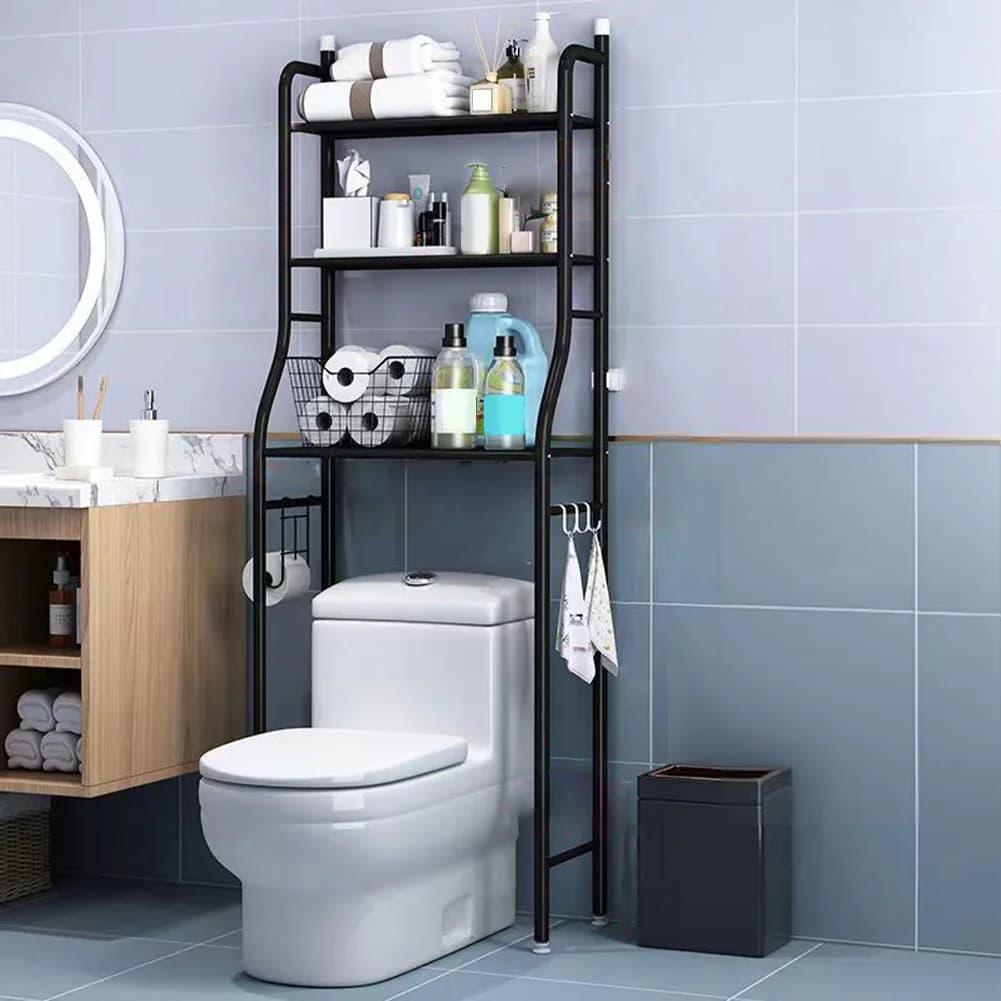
3-Tier Over-Toilet Storage Rack in Powder-Coated Carbon Steel
In stock · Options available · Ships in 7–21 business days
 Sale
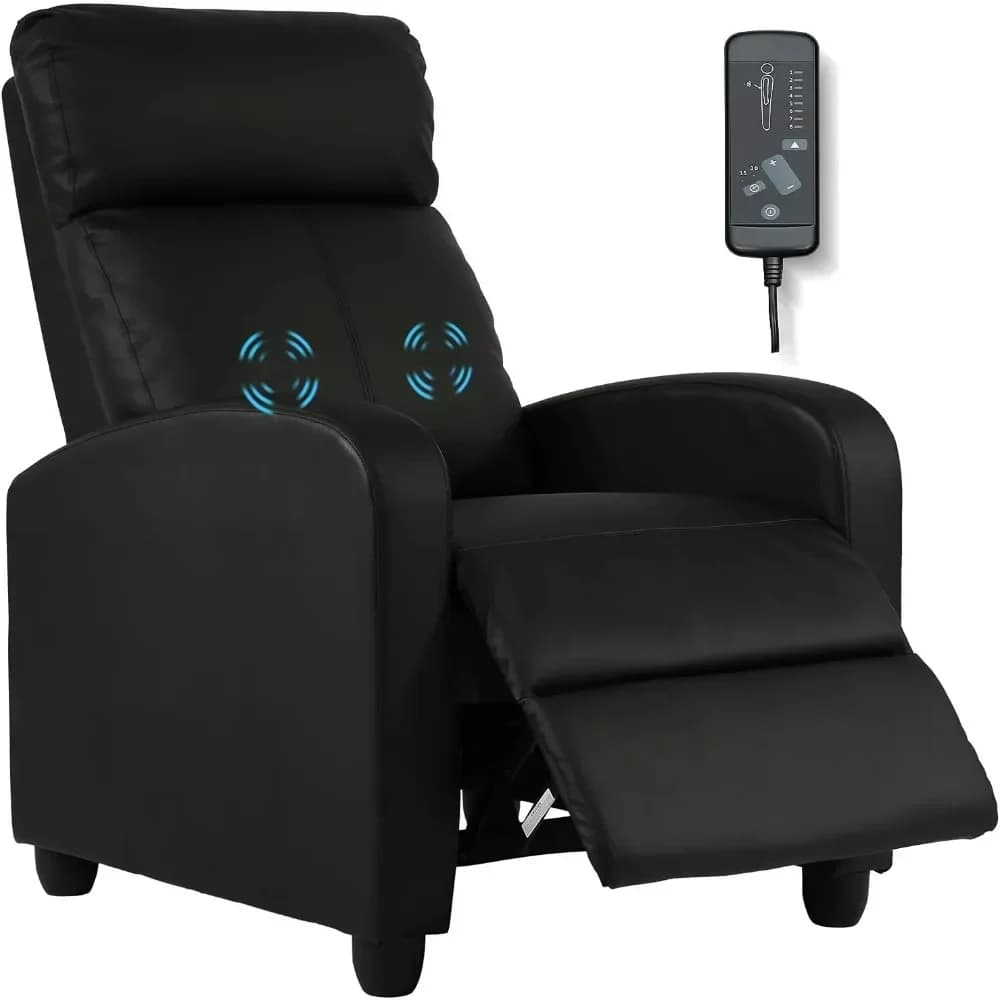
SaleWingback Massage Recliner Chair in PU Leather with Footrest
In stock · Options available · Ships in 7–21 business days
 Sale
SaleMid-Century Modern Accent Armchairs, Set of Two, Wood Frame
In stock · Options available · Ships in 7–21 business days

Fireplace Flame Ultrasonic Humidifier and Oil Diffuser
In stock · Options available · Ships in 7–21 business days
Continue reading
 Home & Kitchen
Robot Vacuum Setup: Stop It Getting Stuck at Home
Robot vacuum setup that stops it getting stuck: prep rooms for the first map, set no-go zones, tame cords, rugs and thresholds, and keep sensors clean.
 Home & Kitchen
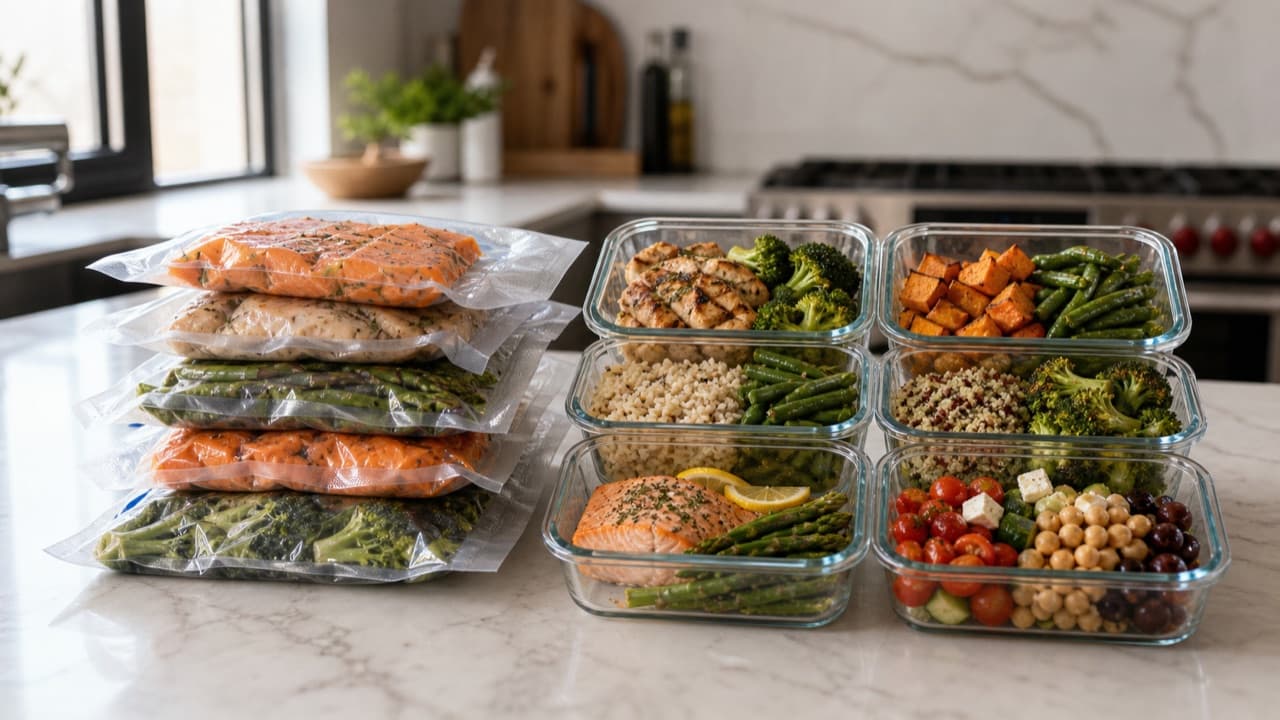
Vacuum Sealing vs Food Containers for Meal Prep
Vacuum sealing vs food containers for meal prep: which keeps food better in the fridge and freezer, what each costs per meal, and the safety limits of sealing.
 Home & Kitchen
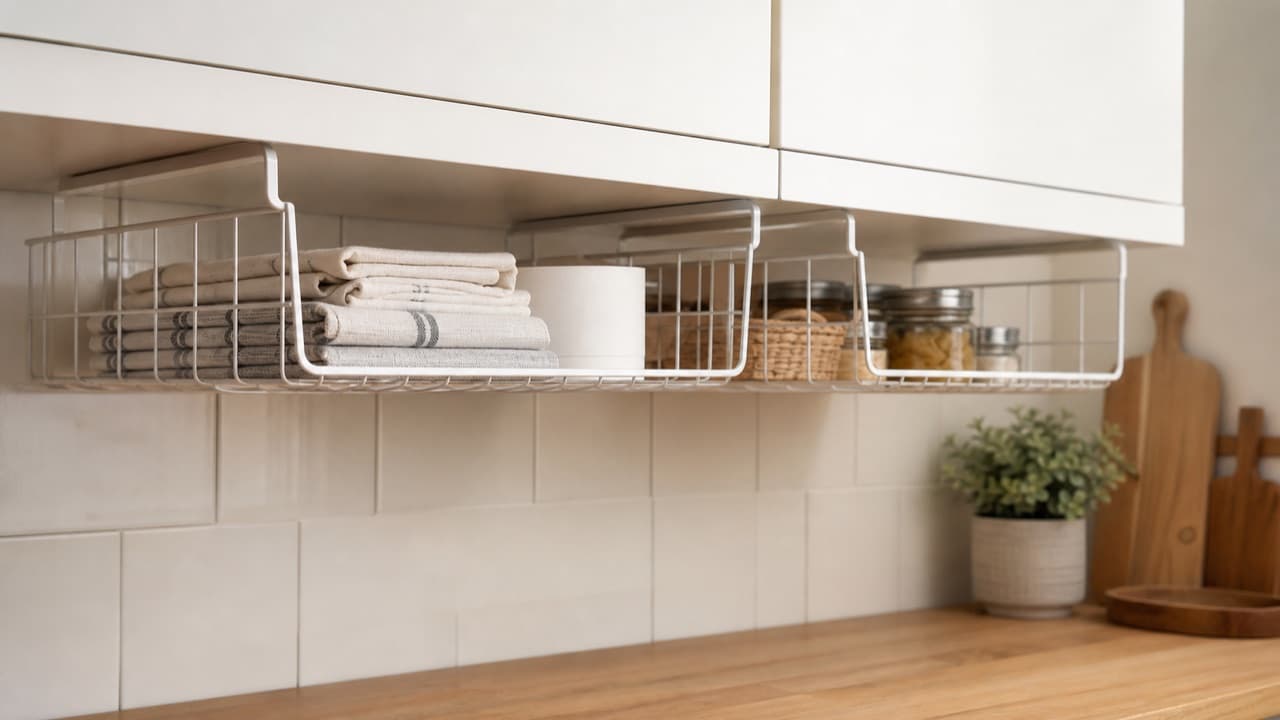
Under-Shelf Baskets for Small Apartments: Fit and Load Guide
Under-shelf baskets for small apartments: how to measure shelf thickness and clearance, which shelves can take them, load limits and the best spots to use one.