

How to Clean a Protein Shaker and Get Rid of the Smell
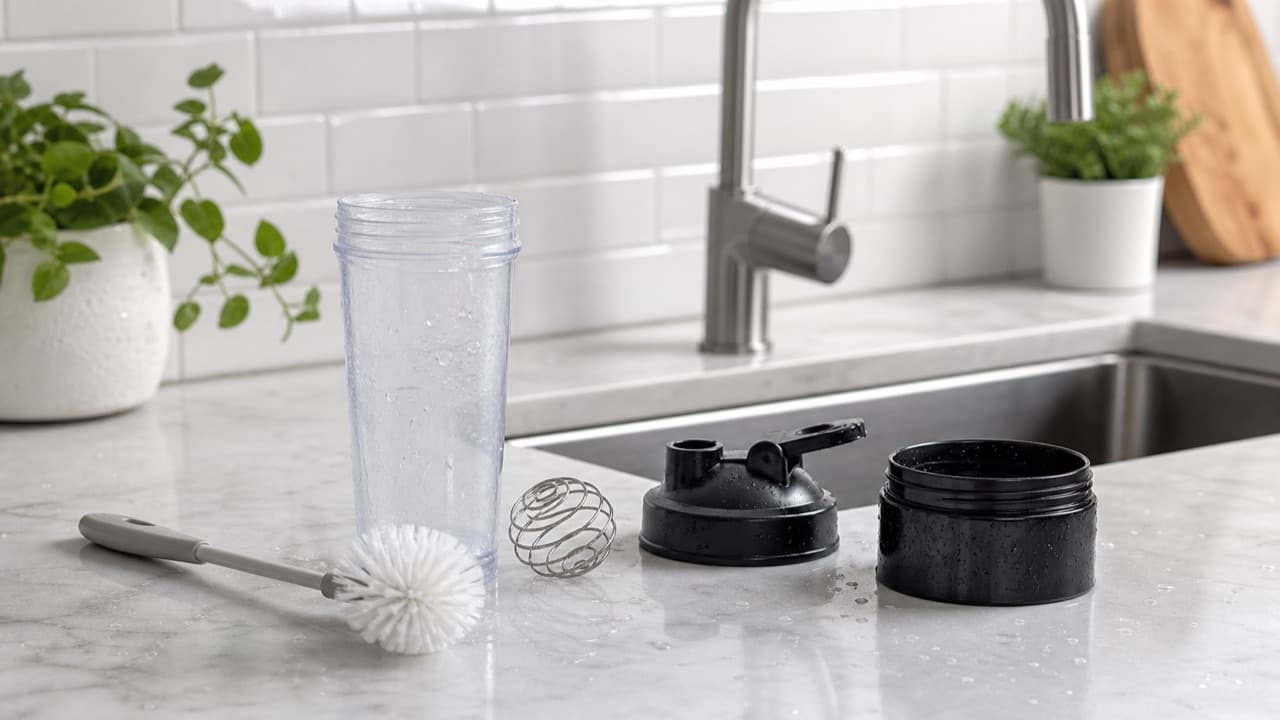
How to clean a protein shaker comes down to timing: rinse it within minutes of finishing your shake, wash every part with the lid taken apart, and let it dry fully open. Most lingering smells come from milk or whey residue trapped under the lid gasket and in the threads, not from the bottle walls. This guide is for anyone who carries a shaker to the gym or office and is tired of that sour smell, plus anyone deciding which shaker design is easiest to keep clean.
Key takeaways
- Rinse right away with lukewarm water. Dried protein, especially dairy-based whey and casein, sticks hard and feeds odor-causing bacteria.
- Remove the gasket (seal ring) when the design allows; it’s where most hidden residue and mold sit.
- Dry every part separately with the lid off. A closed, damp bottle is the perfect place for smells to develop.
- Check which parts are dishwasher safe. Insulated stainless steel bottles are often hand-wash only.
- Replace bottles that stay smelly after a deep clean, or that have deep scratches, cracks or a warped lid.
Why protein shakers smell
Protein drinks contain proteins, sugars and fats that bacteria and mold thrive on. Milk-based shakes add lactose and milk fat. When residue dries in a warm gym bag, it forms a film that clings to plastic and gaskets, and that film is what produces the sour, cheesy smell. Plastics can also absorb some odors over time, which is why an old bottle may smell even after it looks clean.
Shaker design matters. The trouble spots are the threads where the lid screws on, the groove the gasket sits in, the flip-cap hinge and spout, and any mixing grid or spring whisk. Bottles with fewer crevices are easier to keep fresh.
The two-minute daily cleaning routine
- Empty and rinse within minutes. If you can’t wash it right away, fill it partway with water, close it and shake, then empty it. Even a quick rinse stops residue from drying.
- Use lukewarm, not hot, water for the first rinse. Very hot water can make some protein residue cling harder. Warm soapy water afterward is fine.
- Take it apart: bottle, lid, flip cap if removable, gasket, mixing ball or grid.
- Wash with dish soap and a bottle brush, paying attention to the bottom corners, the threads and the underside of the lid. A small detail brush or straw brush reaches the spout and gasket groove.
- Rinse thoroughly so no soap taste remains.
- Air-dry everything apart, upside down on a rack where air can circulate, until completely dry before reassembling.
If you’re stuck at work without a sink, add water, shake and empty, then leave the lid off until you get home. That small step does more than any cleaning product later.
Deep cleaning a smelly or moldy shaker
Once a week, or whenever a smell lingers, give the shaker a deeper clean. Pick one method at a time and rinse well between them; never mix cleaning products.
Baking soda soak
Dissolve a tablespoon or two of baking soda in warm water, fill the bottle and soak the lid and parts for a few hours or overnight. Baking soda helps neutralize acidic odors. For stuck film, make a paste with a little water and scrub it on with a brush.
White vinegar soak
A mix of roughly one part white vinegar to one or two parts warm water, soaked for 30 minutes to a few hours, helps loosen film and mineral deposits. Rinse thoroughly, then wash with soap to remove the vinegar smell. Check the maker’s guidance first if your bottle has a painted or coated finish.
Dealing with the gasket
Pry the seal ring out gently with a blunt tool, such as a butter knife edge or a plastic spudger, not a sharp knife that can nick it. Wash the ring and its groove separately. Black spots that won’t scrub off a silicone gasket usually mean mold has stained it; a replacement gasket, if the brand sells one, is cheaper than a new bottle.
What about bleach or sterilizing tablets?
Some makers permit diluted bleach or denture-style cleaning tablets; others warn against them because they can damage plastics, coatings or seals. Only use them if your bottle’s instructions allow it, follow the dilution exactly, and rinse very thoroughly. If a bottle needs bleach regularly to stay fresh, it’s usually time to replace it.
Dishwasher or hand wash? Materials compared
| Material | Odor resistance | Dishwasher | Care notes |
|---|---|---|---|
| Polypropylene (PP) plastic | Fair; can absorb smells and stain over time | Often top-rack safe; check the label | Light, cheap and easy to replace; scratches hold residue |
| Tritan copolyester | Good; resists staining and odor better than many plastics | Often top-rack safe | Clear, rigid; avoid abrasive scrubbers that cloud it |
| Single-wall stainless steel | Very good; nonporous and doesn’t hold smells | Often safe; check lid separately | Can’t see residue inside, so brush the bottom corners |
| Insulated (double-wall) stainless steel | Very good | Often hand-wash only | Dishwasher heat can damage the vacuum seal or exterior coating |
| Silicone collapsible | Fair; can hold oily residue | Varies | Folds flat for travel; clean the pleats carefully |
Lids are frequently less heat-tolerant than bottles. Put plastic lids and gaskets on the top rack, away from the heating element, and only if the maker allows it.
Storage and replacement
- Store it open and dry. Keep the lid off or loosely set on top in the cupboard.
- Don’t leave a mixed shake in a hot car or gym bag. Milk-based drinks can spoil quickly at warm temperatures, and the bottle will be much harder to clean. Pack the powder dry and add liquid when you’re ready to drink.
- Replace when needed: deep scratches, cloudy or cracked plastic, a warped lid that leaks, a flip-cap hinge that no longer seals, or a smell that survives a deep clean.
- Keep two bottles if you train daily, so one can dry fully while you use the other.
Mistakes to avoid
- Leaving it sealed with residue inside. A few hours in a warm bag can create a smell that takes days of soaking to remove.
- Reassembling while damp. Trapped moisture under the gasket is the main cause of mold.
- Ignoring the lid. Washing only the bottle leaves the dirtiest part, the lid and spout, untouched.
- Mixing cleaners. Combining bleach with vinegar or other acids releases harmful gas. Use one product, rinse, then use another if needed.
- Running an insulated bottle through the dishwasher when the label says hand wash. Damage to the vacuum layer can’t be repaired.
- Scrubbing with steel wool on plastic. Scratches give residue more places to hide.
Which shaker is easiest to keep clean?
- Pick stainless steel if odor is your biggest complaint and you’re happy to hand-wash an insulated model.
- Pick a wide-mouth plastic or Tritan bottle with a removable gasket if you want dishwasher convenience and easy access with a brush.
- Pick a simple mixing ball over a fixed grid if you want fewer crevices; balls lift out and wash quickly.
- Avoid multi-compartment bottles if you rarely have time to clean; each extra chamber and thread is another place for residue.
Cleaning habits carry over to the rest of your gear: our guide on how to clean and store a yoga mat follows the same rinse-early, dry-fully approach, and the smart jump rope training guide helps you plan the workouts that use that shaker. Browse more training gear in fitness and sports.
Frequently asked questions
How do I get the smell out of my protein shaker?
Take it fully apart, including the gasket, and soak all parts in warm water with baking soda for a few hours or overnight, then wash with dish soap and dry completely open. A diluted white vinegar soak is another option. If the smell survives that, replace the bottle or at least the gasket.
Can you put a protein shaker in the dishwasher?
Many plastic shakers are top-rack dishwasher safe, but not all, and insulated stainless steel bottles are often hand-wash only. Check the label or product page for each part, since lids can have different limits from bottles.
Is it safe to use a moldy shaker bottle?
It’s best not to. Surface mold on smooth parts may wash off, but stains on a gasket or in scratched plastic can be hard to remove completely. Replace the gasket or bottle if visible mold remains after cleaning.
Should I rinse a shaker with hot or cold water?
Start with lukewarm water to flush out protein residue, then wash in warm soapy water. Very hot water on fresh residue can make it cling more stubbornly.
How often should I replace a shaker bottle?
There’s no fixed schedule. Replace it when the plastic is scratched, cloudy or cracked, the lid leaks, or odors persist after a deep clean. Daily users often find that happens sooner than occasional users.
Shop Fitness & Active Life
View all →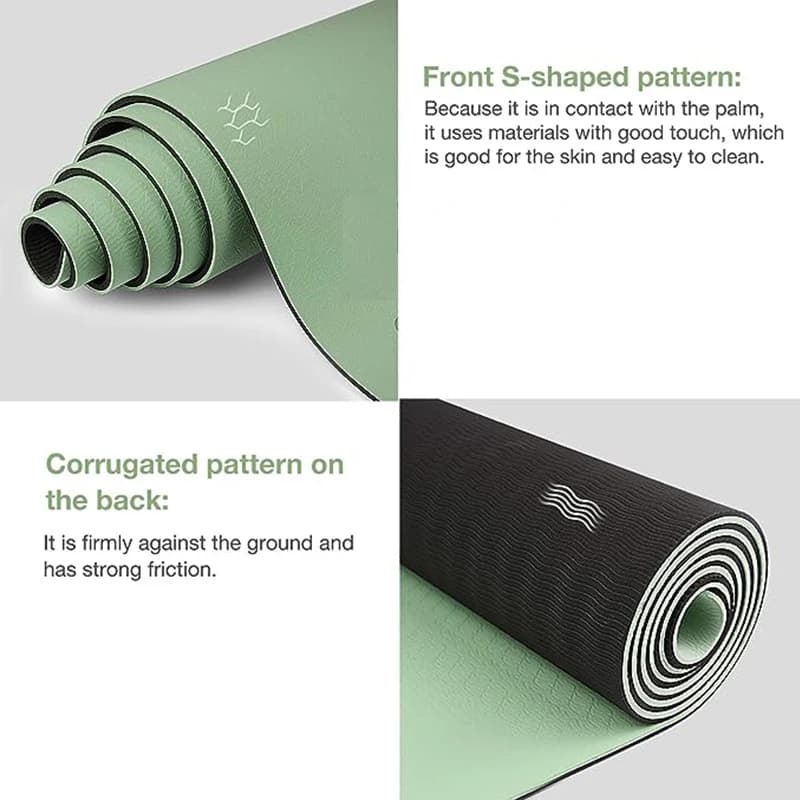
Continue reading
 Fitness & Active Life
How to Clean and Store a Yoga Mat by Material
How to clean and store a yoga mat made of PVC, TPE, natural rubber, PU or cork: daily wipes, deep cleaning, drying, and storage that prevents cracks and odor.
 Tech & Gadgets
Portable Speaker EQ Settings: How to Get Better Bass
Portable speaker EQ settings explained: how bass boost, app presets and placement change the sound, why bass fades at high volume, and how to tune it well.
 Fitness & Active Life
Smart Jump Rope Training: Sizing, Counts and a 6-Week Plan
A smart jump rope training guide: size the rope, understand how jump counts and calories are estimated, and follow a safe 6-week plan from short intervals up.