

How a Men’s Suit Should Fit: Jacket, Trousers, Tailoring
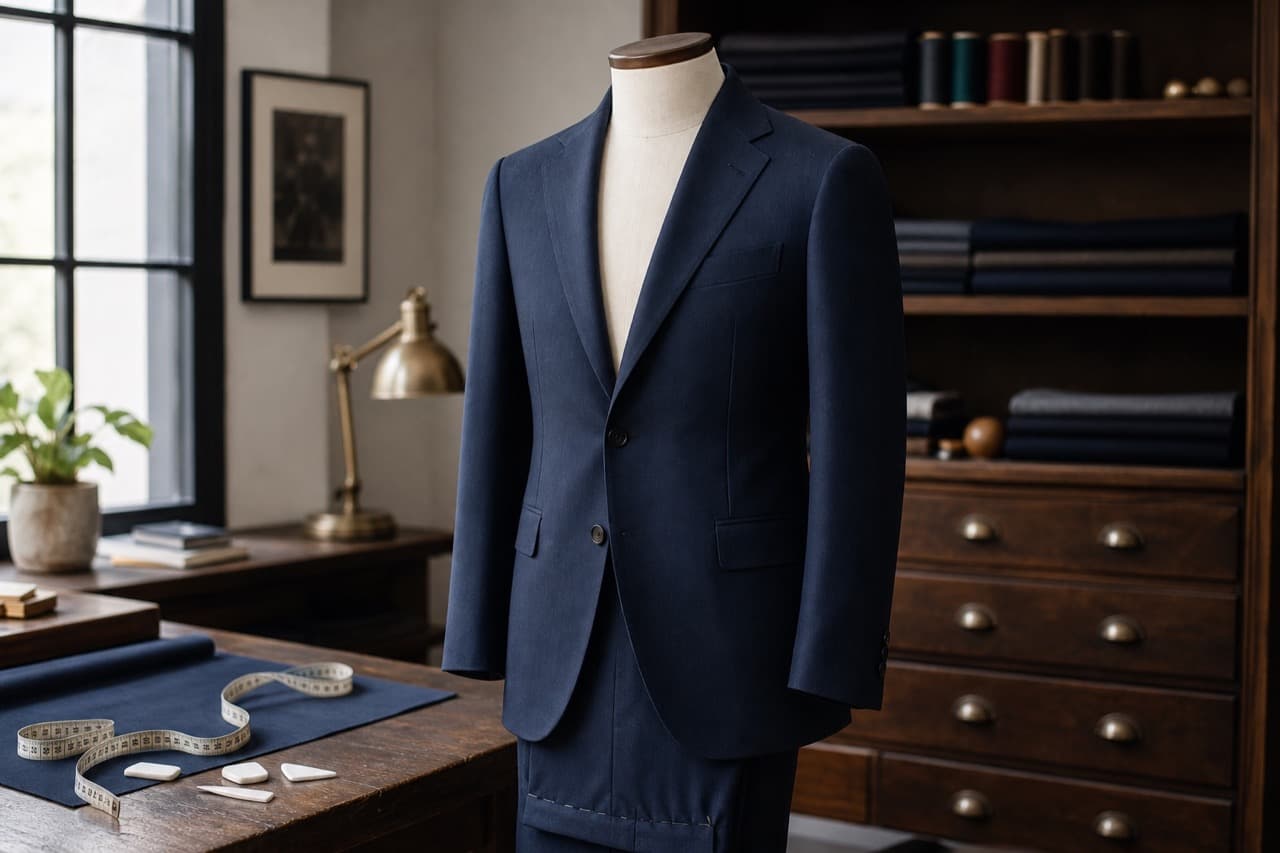
Knowing how a men’s suit should fit comes down to a handful of checkpoints: the shoulder seam ends at your shoulder bone, the collar hugs your shirt collar, the buttoned jacket lies flat without pulling, the sleeves show a sliver of shirt cuff, and the trousers sit cleanly on your shoes. Get the shoulders right and a tailor can fix most of the rest. This guide is for anyone buying a suit online or off the rack, whether for work, a wedding or interviews, and it explains each checkpoint, what is easy or hard to alter, and how to judge fit in front of a mirror at home.
Key takeaways
- Buy for the shoulders first; shoulder alterations are difficult, costly and often not worth it.
- Buttoned, the jacket should close without an X of pulling across the button, but still allow a flat hand underneath.
- Jacket sleeves should end around the wrist bone, showing roughly 1/4 to 1/2 inch of shirt cuff.
- The jacket should generally cover the seat of your trousers; very short or very long jackets are hard to fix.
- Sleeve length, trouser hems and modest waist changes are routine, inexpensive alterations.
- Bring the shoes and shirt you will wear when you try on, because they change sleeve and trouser length.
Jacket fit: the checkpoints, top to bottom
Shoulders
The shoulder seam should end roughly where your shoulder bone ends. Too wide and you will see a dent or divot just below the shoulder pad, and the sleeve hangs off the edge. Too narrow and the sleeve head pulls, with rippling at the top of the sleeve and tension across the upper back when you reach forward. A simple check: stand side-on to a wall; the shoulder pad should touch the wall about the same time as your arm.
Collar
The jacket collar should rest against your shirt collar all the way around. A gap at the back of the neck, called collar gap, often signals posture or shoulder-shape issues. A tailor can sometimes correct it, but a large gap is a sign to try a different size or cut.
Chest and button
Fasten the top button of a two-button jacket (the middle button on a three-button). The fronts should lie flat. Pulling into an X shape from the button means the jacket is too tight; excess fabric that folds or bunches means too loose. You should be able to slide a flat hand between jacket and shirt; a fist should make it feel tight. The top button usually sits around the navel or just above.
Jacket length
Classic guidance is that the jacket should cover the seat of the trousers. Modern slim cuts are often a little shorter, but if the jacket ends above the curve of your seat it will look undersized, and if it reaches well past it, the jacket will look like a coat. Length is one of the hardest things to alter because pocket positions limit how much can be taken up, often no more than about an inch.
Sleeves
With arms relaxed at your sides, the sleeve should end around the wrist bone, showing roughly 1/4 to 1/2 inch (about 0.5 to 1.5 cm) of shirt cuff. Too long hides the shirt and makes the jacket look borrowed; too short looks undersized.
Back and waist
The back should fall smoothly. Horizontal folds just below the collar usually mean it is too tight across the shoulders; vertical slack means it is too loose. Vents should hang closed when you stand still; if they gape open, the jacket is tight over the hips or seat.
Trouser fit: rise, seat and break
- Waist: trousers should stay up without a belt. If you need to cinch a belt hard, they are too big; if the waistband digs in when you sit, too small.
- Rise: most suit trousers sit at or just below the natural waist. Too low and the shirt escapes; too high and they may look dated on slim cuts.
- Seat: fabric should drape smoothly without sagging or pulling. Horizontal stress lines across the seat or front pockets that flare open mean the trousers are too tight.
- Thigh and leg: enough room to sit and climb stairs without strain; a gentle taper to the ankle.
- Break: the fold where the hem meets your shoe. A no break or slight break suits slim modern trousers; a half break is a safe middle ground for business; a full break suits wider, traditional cuts.
If the suit has a vest, it should cover the trouser waistband and lie smoothly with the bottom button left undone, as is customary. Our two-piece vs three-piece suit guide covers when the vest is worth having.
What a tailor can and cannot fix
| Alteration | Difficulty | Notes |
|---|---|---|
| Trouser hem and break | Easy | One of the most common and affordable jobs |
| Trouser waist in or out | Easy to moderate | Usually about 1 to 2 inches, depending on seam allowance |
| Sleeve shorten or lengthen | Easy to moderate | Harder with working buttonholes at the cuff; lengthening depends on spare fabric |
| Jacket sides taken in | Moderate | Good for removing excess at the waist |
| Trouser taper | Moderate | Slims the leg from knee to hem |
| Collar gap | Moderate to hard | Results vary with construction |
| Jacket length | Hard | Limited by pocket position; rarely more than about an inch |
| Shoulder width | Very hard | Expensive and risky; buy the right shoulders instead |
Construction affects what is possible. Canvassed jackets tend to tailor and drape better than fused ones; our business suit construction guide explains the difference. Budget for alterations when buying off the rack or online; almost every suit benefits from at least a hem and sleeve adjustment.
Checking fit at home when you buy online
- Start with good measurements. Chest, waist, sleeve and inseam measured correctly make the size chart useful. Follow our guide to measuring for a suit at home.
- Read the size chart, not just the label. A 40R from one brand can fit differently from another; compare garment measurements where listed.
- Try on with your real shirt and shoes. Shirt collar height changes how the jacket collar sits; shoe heel height changes the break.
- Use two mirrors or a phone camera. Check the back, collar and vents, which you cannot see straight on.
- Move. Reach forward, sit, raise your arms. A suit that looks fine standing still can pull badly when you move.
- Keep tags on and check the return policy before booking a tailor, since altered suits usually cannot be returned.
ADLTHUB’s suits include the Formal Business Office Suit Set and the Boutique Mens Business Suit 3-Piece Set. Check each product page for the size chart, fabric, delivery and returns before ordering, and browse more in the fashion and apparel category.
Mistakes to avoid
- Sizing by chest alone. A jacket that fits the chest but not the shoulders cannot be rescued affordably.
- Buying too tight to look slim. Pulling at the button and stress lines look worse than a jacket with a little ease.
- Ignoring sleeve length on the hanger. It is easy to fix, but only if you budget for it; otherwise the whole suit looks off.
- Hemming trousers in socks. Always hem with the shoes you will wear, since heel height changes the break.
- Altering before checking returns. Most sellers will not accept altered garments.
- Forgetting how you will move. Weddings and events involve dancing, sitting and hugging; make sure the suit allows it.
Which fit is right for you
- Choose a slim fit if you have a lean build and want a modern, close silhouette with little or no trouser break.
- Choose a regular or classic fit if you have broader shoulders or a fuller middle, want comfort for long days, or prefer a traditional look.
- Choose by shoulder first, then tailor the rest if you are between sizes: pick the size whose shoulders fit and let a tailor adjust the waist, sleeves and hem.
For a deeper comparison of cuts, read our slim-fit vs regular-fit suit guide.
Frequently asked questions
How should a suit jacket fit in the shoulders?
The shoulder seam should end at your natural shoulder bone, with no dent below the pad and no pulling at the top of the sleeve. Because shoulders are hard to alter, they are the most important fit point when buying.
How much shirt cuff should show under a suit jacket?
Roughly 1/4 to 1/2 inch of shirt cuff with your arms relaxed at your sides is the common guideline. Your shirt sleeve needs to be the right length too for this to work.
How long should a suit jacket be?
Traditionally it should cover the seat of your trousers. Modern slim cuts can be slightly shorter, but a jacket that ends well above the seat usually looks too small.
What is a trouser break?
The break is the fold in the trouser leg where the hem rests on your shoe. No break or a slight break looks modern and clean; a half break is a versatile middle ground; a full break suits wider, traditional trousers.
Can a tailor make a suit jacket smaller?
A tailor can usually take in the sides and adjust sleeves, which handles moderate excess. Reducing shoulder width or jacket length is much harder, so buy a jacket whose shoulders and length already fit.
Shop Fashion & Style
View all →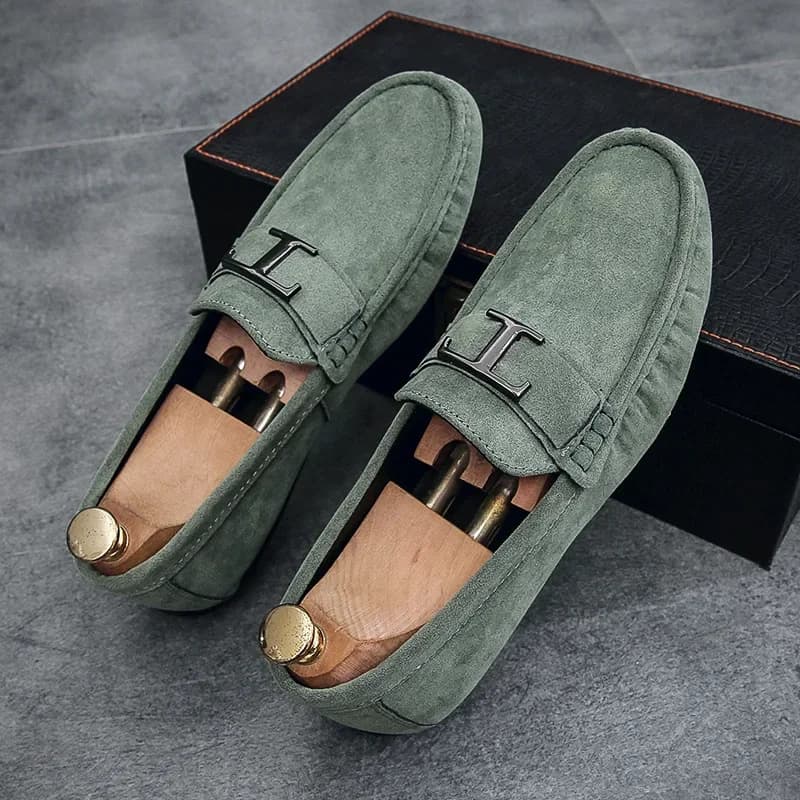
Men's Slip-On Casual Loafers in Soft Synthetic Leather
In stock · Options available · Ships in 7–21 business days
 Sale
SaleSlim-Fit Shawl Lapel Tuxedo, Three-Piece Wedding Set
In stock · Options available · Ships in 7–21 business days
 Sale
SalePastel Pink Slim-Fit Three-Piece Wedding Suit
In stock · Options available · Ships in 7–21 business days
 Sale
SaleSolid-Color Notch Lapel Office Suit, Two- or Three-Piece
In stock · Options available · Ships in 7–21 business days
Continue reading
 Fashion & Style
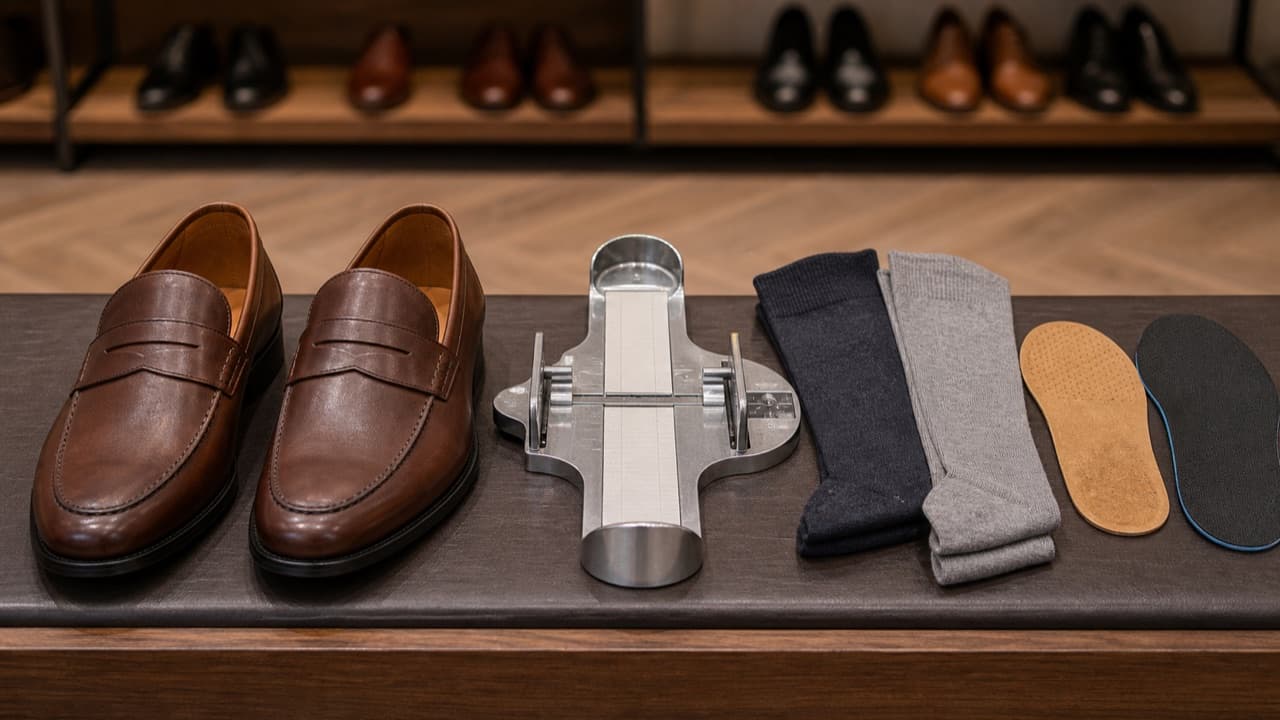
How Should Loafers Fit? Men’s Heel, Instep and Width
How should loafers fit? Learn the right heel slip, instep contact, width and toe room for men’s loafers, plus sizing tips and fixes when a pair is loose.
 Fashion & Style
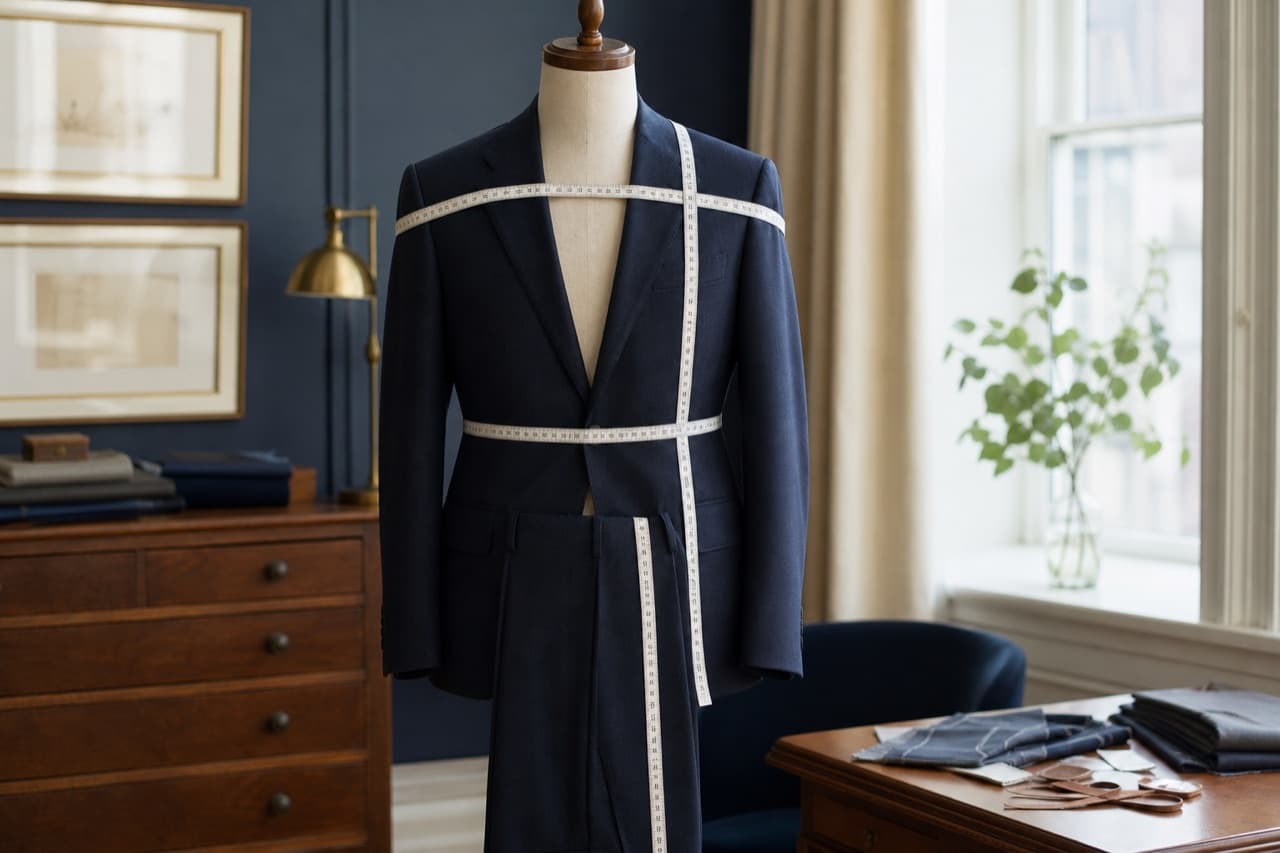
How to Measure for a Suit at Home: Men’s Size Guide
Learn how to measure for a suit at home: chest, shoulders, sleeve, waist, inseam and jacket length, plus how to read size charts like 40R and suit drop.
 Fashion & Style
Slim Fit vs Regular Fit Suit: Which Cut Suits Your Build
Slim fit vs regular fit suit compared: chest-to-waist drop, armholes, sleeves and trouser openings, plus which cut fits your build and what a tailor can fix.