

Choosing Yoga Mat Thickness by Yoga Style and Body Needs
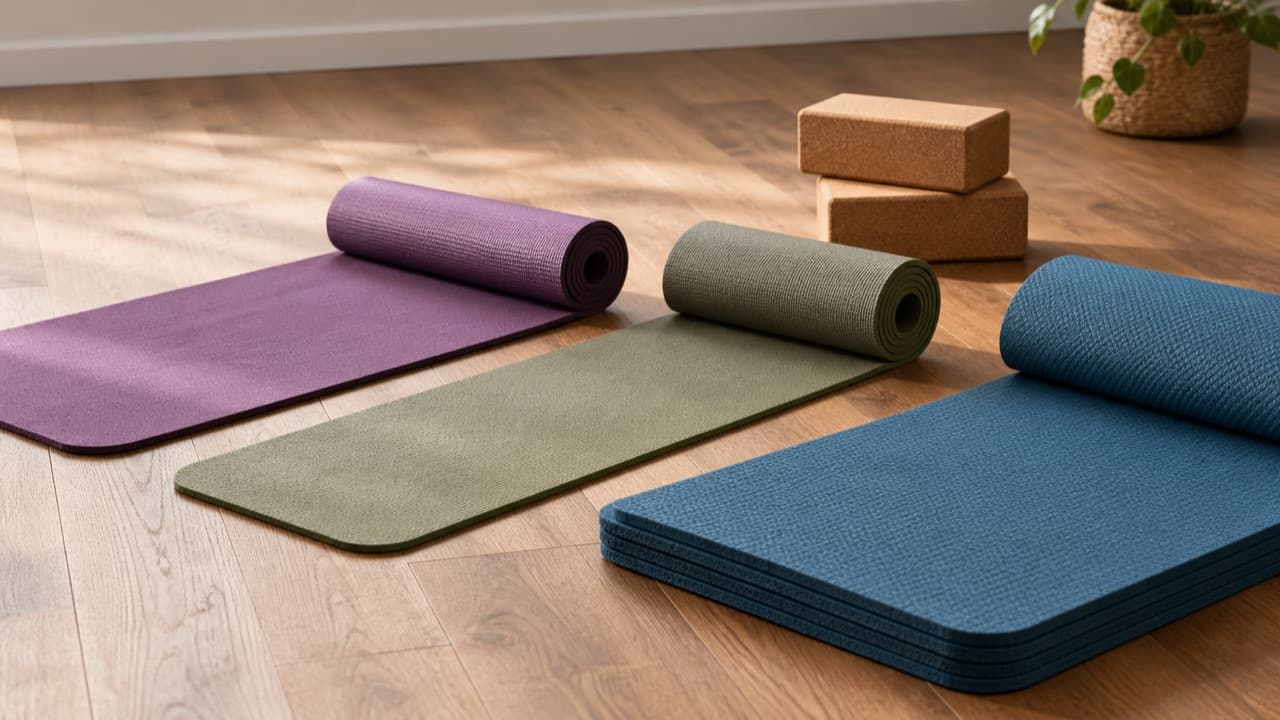
For most people practicing flowing or balance-heavy yoga, a mat around 4 to 5mm (about 3/16 inch) is the safest starting point; go thinner if you balance a lot or travel, and go thicker only for slow, floor-based practice. Choosing yoga mat thickness by number alone is a common trap, though, because a dense 4mm mat can protect your knees better than a soft 8mm one. This guide is for anyone matching a mat to a specific style of practice, a sensitive joint, or a hard floor, and it explains why the right answer for a yin class is the wrong one for vinyasa.
Key takeaways
- Thickness and firmness are separate: a dense 4 to 5mm PVC or rubber mat often feels more supportive than a squishy 8 to 10mm foam mat.
- Standing balance poses get harder on soft, thick mats because your foot and ankle keep chasing a moving surface.
- Sore knees are usually better solved with a folded blanket or knee pad under the knee than by making the whole mat thicker.
- Thick foam mats of 10mm and up suit stretching, Pilates-style floor work and rehab exercises more than flowing yoga.
- Hot yoga and travel push you toward thinner mats; slow restorative and yin practice can use more cushion.
What yoga mat thickness numbers actually feel like
Mat thickness is usually listed in millimeters, sometimes in fractions of an inch. These are the bands you will see most often and what each one is generally used for:
| Thickness | Inches (approx.) | Typical feel | Usually suits |
|---|---|---|---|
| 1.5 to 2mm | 1/16 in | Floor is clearly felt; folds or rolls very small | Travel, layering over studio or hotel mats |
| 3mm | 1/8 in | Firm, stable, modest padding | Vinyasa, ashtanga, hot yoga, strong balance work |
| 4 to 5mm | 3/16 in | All-round balance of cushion and grounding | Most mixed classes and home practice |
| 6mm | 1/4 in | Noticeably padded; depends heavily on density | Gentle flow, hard floors, larger bodies wanting more padding |
| 8 to 15mm | 5/16 to 5/8 in | Soft foam, compresses under hands and feet | Floor stretching, mobility, Pilates-style mat work |
The jump from 3mm to 6mm sounds small, but it doubles the material between your knee and the floor. The jump from 6mm to 10mm usually comes with a material change too: most mats at 10mm and above are soft NBR or similar foam, not the denser PVC, rubber or TPE used in thinner mats. That material change is what makes thick mats feel unstable, not the extra millimeters alone.
Why density matters as much as thickness
A quick way to judge a mat is the thumb test: press your thumb firmly into it. If it sinks almost to the floor, the mat will feel soft in kneeling poses but will compress under your hands in downward dog and under your standing foot in tree pose. If your thumb barely dents it, the padding is coming from density, which tends to spread load without letting your wrist or ankle tilt.
How common materials behave at the same thickness
- PVC: dense and durable, with a slightly tacky surface that grips well once broken in. A 4 to 5mm PVC mat feels supportive without much sink.
- Natural rubber: dense, grippy and heavy; a 4 to 5mm rubber mat can weigh several pounds. Not suitable if you have a latex allergy, and it often has a rubber smell at first.
- TPE: lighter and softer than PVC or rubber at the same thickness, with closed-cell foam that resists sweat. Thicker TPE mats, often around 6 to 8mm, are a common pick for home practice. ADLTHUB’s Thick Non-Slip TPE Fitness Yoga Mat sits in this family; check its product page for the exact thickness, dimensions and care notes.
- Cork or jute tops: usually laminated onto a rubber or TPE base, so the base thickness determines cushioning while the top determines grip.
- NBR foam: the soft, thick material behind most 10mm-plus exercise mats. Comfortable for lying and kneeling, but springy and less stable for standing poses.
Matching thickness to your yoga style
Vinyasa, power and ashtanga
These styles move quickly through standing poses, jumps and transitions. A 3 to 5mm dense mat keeps your hands planted in plank and chaturanga and lets your feet grip during warrior poses. A thick, soft mat tends to make jump-throughs drag and wrists ache, because the heel of the hand sinks while the fingers stay higher.
Hatha and mixed beginner classes
Classes that combine standing work with seated and kneeling poses suit the 4 to 6mm band. Beginners often spend more time on hands and knees than they expect, so a little extra padding helps, but stay on the dense side so balance poses stay achievable. Our beginner yoga props guide covers blocks and blankets that solve many comfort problems more cheaply than a thicker mat.
Yin, restorative and gentle yoga
You hold floor poses for minutes at a time, so comfort under hips, spine and knees dominates. A 6mm mat, or a standard mat with a blanket layered on top, works well. Very thick foam is acceptable here because you rarely balance on one foot.
Hot yoga
Sweat is the bigger problem than cushioning. A 3 to 5mm mat with a grippy surface, plus a yoga towel on top, is the usual setup. Very thick mats are heavier to carry to the studio and slower to dry afterward.
Floor workouts and mobility
If your mat is really for crunches, glute bridges, band work and stretching rather than yoga, the 8 to 15mm foam category makes sense. Pair it with the resistance band progression guide if strength work is the main use.
Knees, wrists and hard floors: solving the real problem
Most people shopping for a thicker mat are trying to fix one specific discomfort. Targeting that discomfort directly usually works better:
- Kneeling pain: fold the end of your mat over, or slide a folded blanket or a thin knee pad under the knee for low lunges and cat-cow. You get 10mm or more exactly where you need it without softening your standing area.
- Wrist discomfort: a soft mat can make this worse, since the heel of the hand sinks. Try a firmer mat, spread the fingers wide and press through the knuckles, or use wedges or blocks under the hands. Persistent pain is worth raising with a physical therapist or doctor.
- Tile, concrete or thin carpet: on a hard floor, a 5 to 6mm dense mat is a sensible upgrade from 3mm. On carpet, a thin firm mat is often better, because carpet already adds give and a thick mat on top doubles the wobble.
- Heavier bodies: more load compresses soft mats further, so density matters even more. A dense 5 to 6mm mat usually outperforms a soft 10mm one.
Size, weight and storage trade-offs
Standard mats are usually about 68 inches long and 24 inches wide (roughly 173 by 61cm). If you are taller than about 5 feet 10 inches, look for a long mat of around 72 to 74 inches so your head and feet both stay on the mat in savasana. Thickness also adds weight and bulk: a 2mm travel mat can fold into a carry-on, while a 6mm rubber mat rolls into a thick, heavy cylinder that needs a strap. For storage and cleaning routines that stop thick mats from cracking or holding odors, see how to clean and store a yoga mat. If portability is your main question, our yoga mat thickness guide on comfort, stability and portability goes deeper on carrying and travel mats.
Mistakes to avoid
- Buying the thickest mat for bad knees. It cushions the knee but softens every standing pose too. Spot padding is usually the better fix.
- Comparing thickness across different materials. 6mm of TPE and 6mm of natural rubber feel very different; check the material before the number.
- Using an exercise foam mat for flow classes. The 10mm-plus foam mats are built for floor work and can make balance and hand positions harder.
- Ignoring latex. Natural rubber mats are not suitable for people with latex allergy, and some cork or jute mats use a rubber base.
- Stacking two soft mats. It feels luxurious lying down but doubles the instability when standing.
- Forgetting the floor. The same mat feels very different on concrete, hardwood and carpet; think about where you will actually practice.
Which thickness fits you
- Pick 1.5 to 2mm if you travel often or already have access to studio mats and want your own clean surface.
- Pick 3mm if your practice is fast, sweaty or balance-focused and you value feeling the floor.
- Pick 4 to 5mm if you do a mix of styles, are buying your first mat, or practice on a hard floor at home.
- Pick 6mm if you mostly practice gentle or slow yoga, or you want more padding and choose a dense material.
- Pick 8mm or more if the mat is mainly for floor exercise, stretching or mobility rather than standing yoga.
You can compare current options in the fitness and sports category, then check each product page for thickness, material, length and return terms before ordering.
Frequently asked questions
Is a 6mm yoga mat too thick?
Not if it is dense. A firm 6mm PVC or rubber mat can still feel stable in standing poses, while a soft 6mm foam mat may feel wobbly. If your practice includes many one-legged balances, 4 to 5mm is the safer middle ground.
What yoga mat thickness is best for bad knees?
A dense 5 to 6mm mat plus a folded blanket or knee pad for kneeling poses usually works better than a very thick mat. That way you cushion the knee without softening the surface under your feet. If knee pain persists, check with a doctor or physical therapist.
Is 4mm or 6mm better for beginners?
Most beginners do well with 4 to 5mm because it balances comfort and stability. Choose 6mm if you practice on a hard floor or mostly take gentle classes, and favor a dense material either way.
Are thick yoga mats bad for balance?
Soft, thick mats make balance harder because the surface compresses unevenly under your foot. That extra challenge is not dangerous for most people, but it can make poses feel shakier and wrists work harder. Dense mats reduce the problem.
What thickness is a travel yoga mat?
Travel mats are usually about 1.5 to 2mm thick, light enough to fold into a suitcase. They offer little cushioning on their own, so many people lay them over a hotel carpet or a studio mat.
Shop Fitness & Active Life
View all →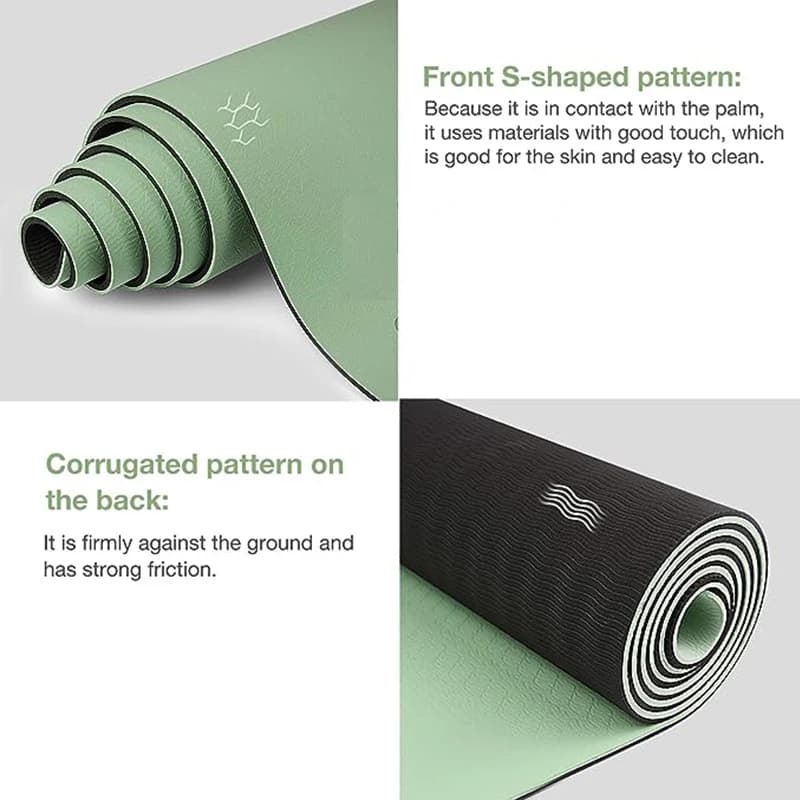
Continue reading
 Fitness & Active Life
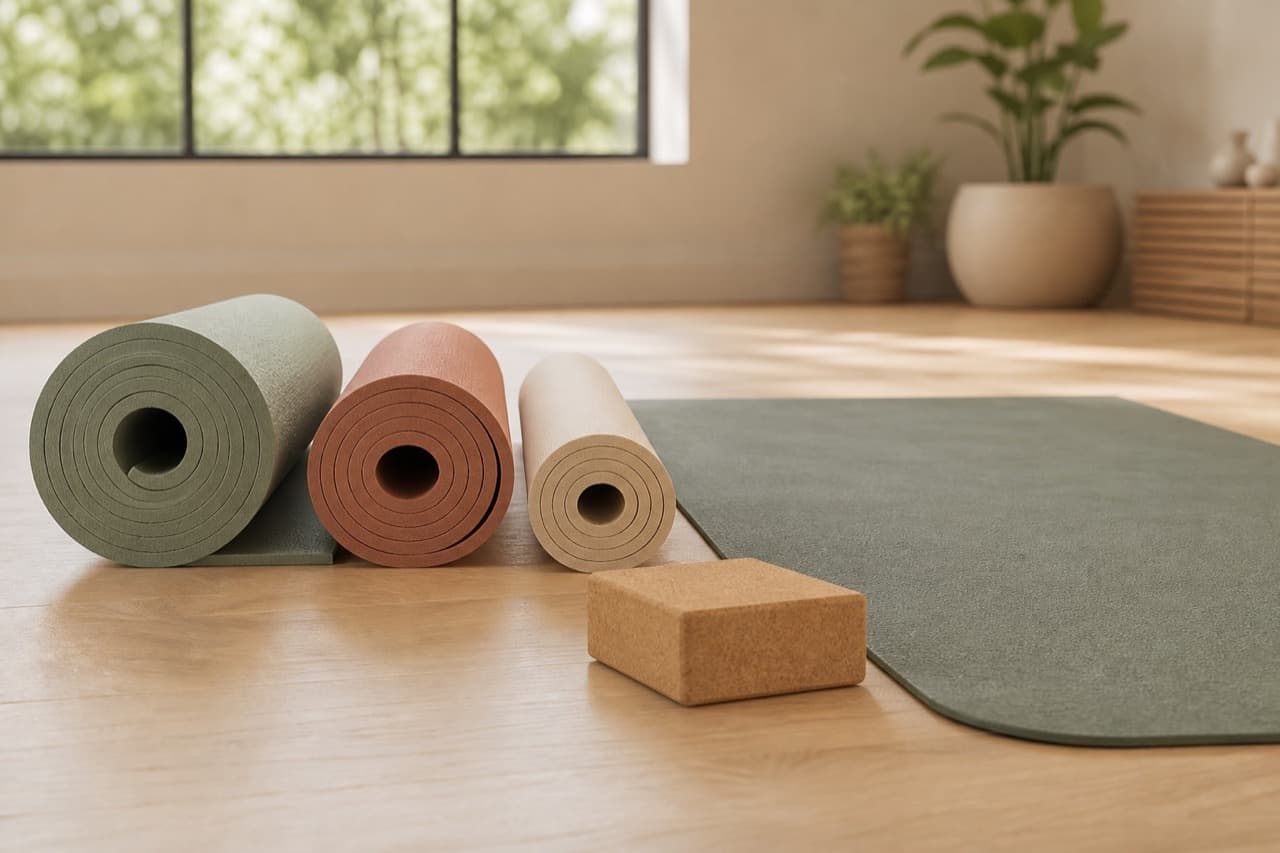
Yoga Mat Thickness Chart: mm to Inches, Weight and Floors
Yoga mat thickness chart in mm and inches with typical weight and rolled size, plus which thickness suits hardwood, carpet, outdoor floors and travel.
 Fitness & Active Life
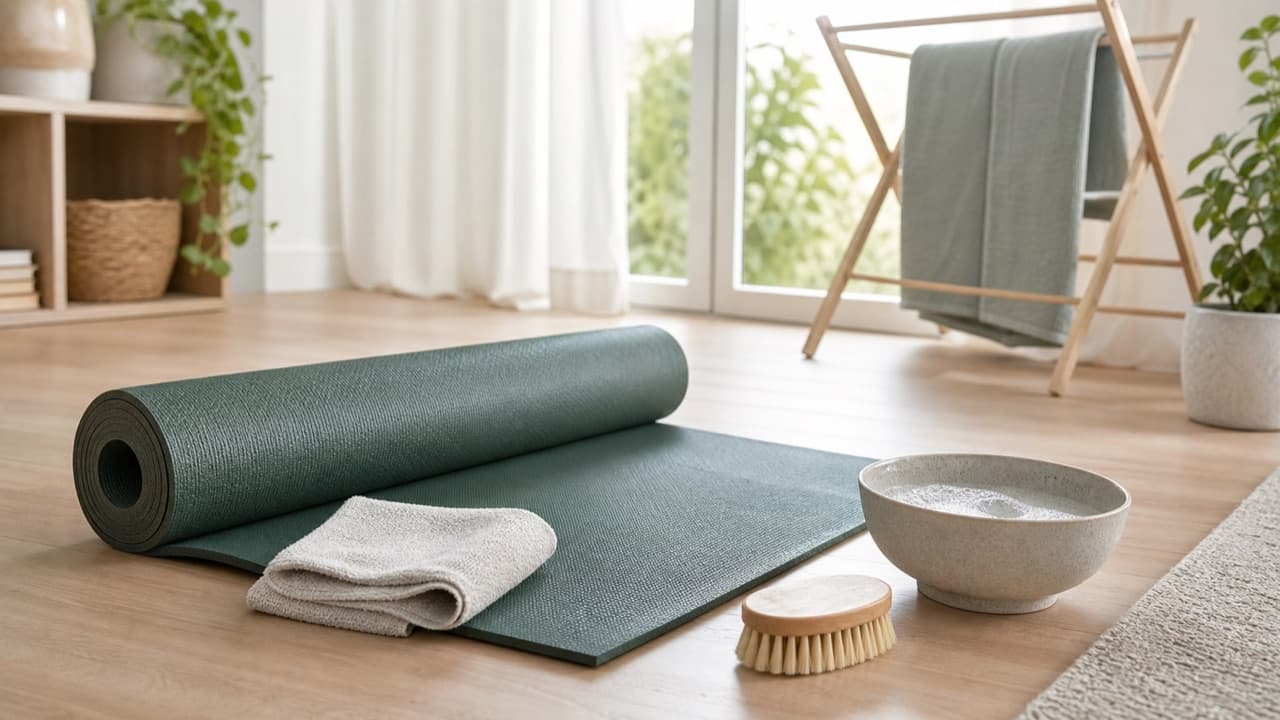
How to Clean and Store a Yoga Mat by Material
How to clean and store a yoga mat made of PVC, TPE, natural rubber, PU or cork: daily wipes, deep cleaning, drying, and storage that prevents cracks and odor.
 Fitness & Active Life
Beginner Yoga Props: Blocks, Straps, Blankets, Bolsters
Which beginner yoga props to buy first: block sizes and materials, strap lengths, blankets and bolsters, plus how each prop helps common poses and what to skip.